Clinic Hours
Mon-Sat
10:00 AM - 7:00 PM
Book Appointment
Schedule Your
Consultation Today
Call Us Now
+91-9281144557
Available 24/7
Mon-Sat
10:00 AM - 7:00 PM
Schedule Your
Consultation Today
+91-9281144557
Available 24/7

MBBS, MS, DrNB (Vascular Surgery)
Vascular & Endovascular Surgeon
We're here for you
Available 24/7
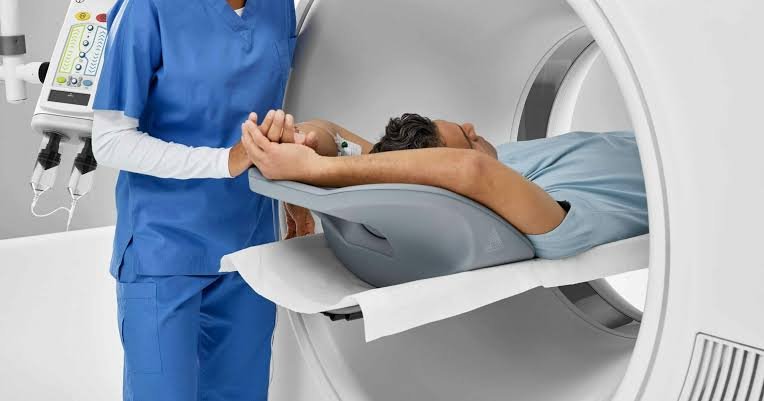
CT Angiography (CTA) is an advanced, minimally invasive imaging technique used to obtain detailed pictures of blood vessels throughout the body. It combines computed tomography (CT) scanning with a contrast dye injected into a vein to clearly visualize arteries and veins. CT Angiography can help identify narrowing, blockages, blood clots, aneurysms, abnormal blood vessels, and other vascular conditions. It is commonly used to assess blood flow in areas such as the brain, neck, heart, chest, abdomen, pelvis, and legs. With its ability to provide rapid and highly detailed vascular images, CTA plays an important role in the diagnosis and treatment planning of many blood vessel disorders.
CT Angiography itself does not treat a particular condition; rather, it is recommended when there is a possibility of an underlying vascular problem. Conditions that may require CTA evaluation include atherosclerosis, arterial narrowing, peripheral artery disease, aneurysms, blood clots, vascular malformations, and other abnormalities affecting blood circulation. Risk factors such as diabetes, high blood pressure, high cholesterol, smoking, obesity, increasing age, and a family history of vascular disease may increase the likelihood of developing blood vessel problems and may lead a doctor to recommend detailed vascular imaging.
The symptoms that lead to CT Angiography depend on the blood vessel or body region involved. Patients with reduced blood flow to the legs may experience leg pain while walking, numbness, weakness, cold feet, or slow-healing wounds. Vascular problems affecting the brain or neck may be associated with sudden weakness, dizziness, visual disturbances, speech difficulties, or other neurological symptoms. Chest or abdominal vascular conditions can sometimes cause persistent pain, shortness of breath, or other concerning symptoms. In some cases, vascular abnormalities may not produce noticeable symptoms and may be discovered during evaluation for another medical condition.
Before recommending CT Angiography, the doctor reviews the patient’s symptoms, medical history, risk factors, and previous investigations. Depending on the suspected condition, tests such as Doppler ultrasound, blood tests, ECG, or other imaging studies may be performed. During a CT Angiography procedure, contrast material is generally administered through an intravenous line, followed by CT scanning. The contrast helps outline the blood vessels and allows the radiologist and treating doctor to assess their structure and blood flow in detail. Patients should inform their doctor about allergies, kidney problems, pregnancy, diabetes, and current medications before the scan so that the procedure can be planned safely.
CT Angiography is primarily a diagnostic investigation and does not itself treat vascular disease. However, the detailed information obtained from the scan helps the doctor determine the most appropriate treatment. Depending on the findings, management may include lifestyle modifications, medications to control blood pressure or cholesterol, blood-thinning medicines when appropriate, or other vascular treatments. When significant narrowing or blockage is identified, procedures such as angioplasty, stent placement, or other endovascular or surgical interventions may be considered. Treatment is individualized according to the location and severity of the vascular problem, symptoms, overall health, and associated risk factors.
Post-treatment care depends on the vascular condition identified and the treatment performed. Patients undergoing only CT Angiography can generally return to their routine activities soon after the examination, unless their doctor advises otherwise. Adequate fluid intake may be recommended after contrast administration, particularly when appropriate for the patient’s medical condition, to support normal elimination of the contrast material. If CTA findings lead to an angioplasty, stent procedure, or surgery, specific instructions regarding medications, wound care, physical activity, diet, and follow-up appointments should be followed carefully. Regular monitoring and management of blood pressure, blood sugar, cholesterol, and other vascular risk factors are important for long-term vascular health.
CT Angiography is generally considered a safe and well-tolerated diagnostic procedure, but certain risks are possible. Some patients may experience temporary warmth, flushing, nausea, or a metallic taste when contrast dye is administered. Rarely, an allergic reaction to the contrast material can occur. Contrast administration may also require special precautions in patients with impaired kidney function. Because CT uses X-rays, there is exposure to a small amount of radiation, and the benefits of the examination are considered before it is recommended. Informing the medical team about previous contrast reactions, kidney disease, pregnancy, or other relevant health conditions helps reduce potential risks.
You should consult a vascular or pain management specialist if you experience persistent leg pain while walking, unexplained swelling, numbness, coldness in the limbs, non-healing wounds, or symptoms suggesting reduced blood circulation. Sudden severe chest, abdominal, or limb pain, sudden weakness, difficulty speaking, or other acute neurological symptoms require urgent medical evaluation. If your doctor recommends CT Angiography because of suspected vascular disease or abnormal findings from another test, timely evaluation can help identify the underlying problem and guide appropriate treatment. Early diagnosis and management of vascular conditions can help protect circulation, reduce complications, and support better long-term health.
Next Investigation: MR Angiography

Get expert evaluation and personalized care for vascular and endovascular conditions.
Providing advanced vascular care with compassion, innovation and excellence.
Available 24/7
We'll Reply as soon as possible
10:00 AM - 7:00 PM
© 2026 Dr. N Srikantiya Indira. All Rights Reserved. | Copyright PrigmaSoft Technologies
WhatsApp us