Clinic Hours
Mon-Sat
10:00 AM - 7:00 PM
Book Appointment
Schedule Your
Consultation Today
Call Us Now
+91-9281144557
Available 24/7
Mon-Sat
10:00 AM - 7:00 PM
Schedule Your
Consultation Today
+91-9281144557
Available 24/7

MBBS, MS, DrNB (Vascular Surgery)
Vascular & Endovascular Surgeon
We're here for you
Available 24/7
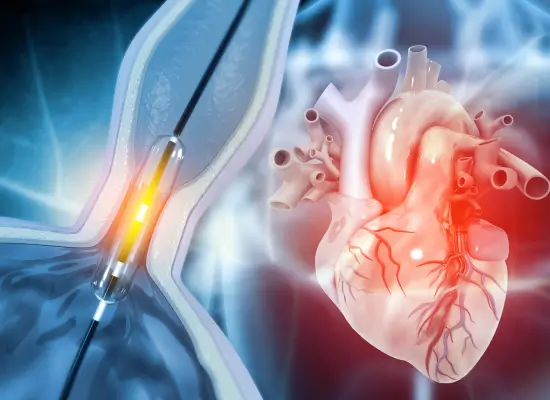
Digital Subtraction Angiography (DSA) is an advanced imaging procedure used to obtain detailed images of blood vessels and evaluate blood flow within the body. It uses X-rays and a contrast dye to make arteries and veins clearly visible, while computer technology digitally removes surrounding bones and tissues from the images. DSA is particularly useful for identifying abnormalities such as narrowed or blocked blood vessels, aneurysms, abnormal vascular connections, and other circulation-related conditions. For patients experiencing unexplained pain associated with vascular problems, DSA can provide valuable information that helps the doctor determine the underlying cause and plan appropriate treatment.
DSA itself is not a disease but a diagnostic procedure used when a vascular abnormality or circulation problem is suspected. Conditions that may require DSA evaluation include peripheral artery disease, blood vessel narrowing or blockage, aneurysms, vascular malformations, blood clots, and abnormal bleeding. In some cases, vascular problems can reduce blood supply to tissues and contribute to persistent pain, numbness, weakness, or changes in skin colour and temperature. Your doctor may recommend DSA when other imaging tests do not provide sufficient detail or when a precise assessment of the blood vessels is required before treatment.
The symptoms leading to a DSA evaluation depend on the underlying vascular condition. Patients may experience persistent or recurring pain in the legs or arms, pain that becomes worse during walking or physical activity, numbness or tingling, weakness, swelling, or a feeling of coldness in an affected limb. Changes in skin colour, slow-healing wounds, unexplained bleeding, or symptoms associated with reduced circulation may also require further vascular assessment. Since these symptoms can have several possible causes, appropriate diagnostic evaluation is important before deciding on treatment.
Before recommending DSA, the doctor reviews the patient’s symptoms, medical history, physical examination findings, and previous investigations. Depending on the suspected condition, tests such as Doppler ultrasound, CT angiography, or MR angiography may be performed initially. When more detailed vascular imaging is needed, DSA may be advised. During the procedure, a thin catheter is carefully guided into a blood vessel, usually through an artery in the groin or wrist, and a contrast dye is introduced. X-ray images are then captured as the dye travels through the blood vessels, allowing the doctor to assess their structure and blood flow in detail.
DSA is primarily a diagnostic procedure, but it can also be performed as part of an interventional treatment. When a significant narrowing or blockage is identified, the doctor may be able to treat the problem during the same procedure using techniques such as balloon angioplasty or stent placement, depending on the patient’s condition. Other vascular abnormalities may require different treatments, including embolisation or surgery. The most appropriate treatment depends on the location and severity of the vascular problem, the patient’s overall health, and the underlying cause of the symptoms.
After DSA, patients are generally monitored for a period to ensure that there is no significant bleeding or other immediate complication. Adequate hydration may be advised to help the body eliminate the contrast dye, unless fluid intake is restricted for another medical reason. Patients should keep the catheter insertion site clean and follow the doctor’s instructions regarding physical activity and medications. Mild tenderness or bruising around the access site can occur, but increasing pain, swelling, bleeding, fever, or changes in the affected limb should be reported promptly to the treating doctor.
Digital Subtraction Angiography is generally considered a safe and well-established procedure when performed by an experienced medical team. However, like any invasive procedure, it carries certain risks. These may include bruising or bleeding at the catheter insertion site, infection, blood vessel injury, blood clots, or an allergic reaction to the contrast dye. In patients with certain medical conditions, contrast dye may also affect kidney function. Serious complications are uncommon, but the doctor will assess individual risk factors and take appropriate precautions before performing the procedure.
Patients should seek medical evaluation when they experience persistent or unexplained limb pain, worsening pain during walking, numbness, weakness, swelling, changes in skin colour, coldness of an extremity, or wounds that are slow to heal. Sudden severe pain, a cold or pale limb, significant swelling, or sudden loss of sensation may require urgent medical attention because these symptoms can sometimes indicate a serious circulation problem. A vascular and pain specialist can evaluate the symptoms, recommend appropriate investigations such as DSA when necessary, and develop a treatment plan tailored to the patient’s condition.
Next Investigation: Vascular Screening

Get expert evaluation and personalized care for vascular and endovascular conditions.
Providing advanced vascular care with compassion, innovation and excellence.
Available 24/7
We'll Reply as soon as possible
10:00 AM - 7:00 PM
© 2026 Dr. N Srikantiya Indira. All Rights Reserved. | Copyright PrigmaSoft Technologies
WhatsApp us