Clinic Hours
Mon-Sat
10:00 AM - 7:00 PM
Book Appointment
Schedule Your
Consultation Today
Call Us Now
+91-9281144557
Available 24/7
Mon-Sat
10:00 AM - 7:00 PM
Schedule Your
Consultation Today
+91-9281144557
Available 24/7

MBBS, MS, DrNB (Vascular Surgery)
Vascular & Endovascular Surgeon
We're here for you
Available 24/7
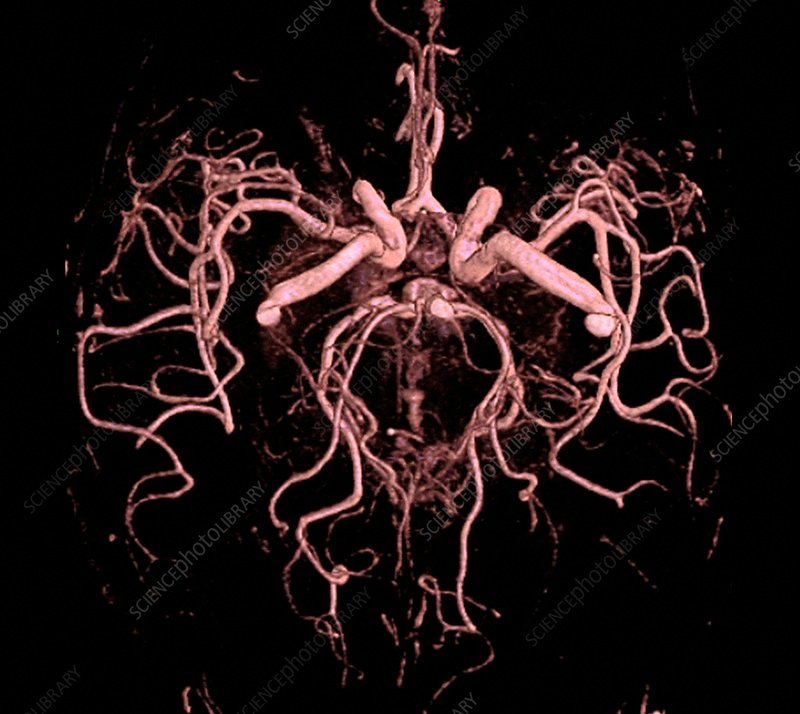
MR Angiography (MRA) is an advanced, non-invasive imaging technique used to examine blood vessels throughout the body. It uses magnetic resonance imaging to create detailed images of arteries and veins without the need for conventional catheter-based angiography. MR Angiography can help doctors evaluate blood flow, identify abnormalities in blood vessels, and detect conditions that may contribute to pain, reduced circulation, or other vascular symptoms. Depending on the area being examined, MRA may be performed with or without a contrast agent, allowing the vascular structures to be assessed in greater detail.
Abnormalities that may require MR Angiography can develop due to several underlying conditions. Narrowing or blockage of blood vessels may occur because of atherosclerosis, in which fatty deposits build up within the arterial walls. Other causes include blood clots, aneurysms, vascular malformations, inflammation of blood vessels, and traumatic injury to the vascular system. Certain congenital conditions can also affect the structure of blood vessels. In patients experiencing unexplained limb pain, weakness, numbness, or circulation-related symptoms, MRA may be recommended to investigate whether an underlying vascular problem is contributing to their condition.
The symptoms associated with vascular conditions vary depending on the blood vessels involved and the underlying cause. Some patients may experience persistent or recurrent pain in the arms or legs, particularly during physical activity, along with numbness, tingling, weakness, or a sensation of coldness in the affected area. Changes in skin colour, swelling, slow-healing wounds, or reduced pulses may also indicate impaired circulation. Some vascular abnormalities, such as aneurysms, may remain silent until they become more advanced. When symptoms are persistent, unusual, or unexplained, appropriate vascular imaging can help identify the underlying cause.
The diagnostic process generally begins with a detailed medical history and physical examination, followed by appropriate investigations based on the patient’s symptoms. MR Angiography provides high-resolution images of blood vessels and can help identify narrowing, obstruction, aneurysms, abnormal vessel structures, or changes in blood flow. In selected cases, contrast-enhanced MRA may be used to improve visualization of specific vessels. Depending on the clinical situation, other investigations such as Doppler ultrasound, CT angiography, or blood tests may also be recommended. The choice of imaging depends on the patient’s symptoms, medical history, and suspected vascular condition.
MR Angiography itself is a diagnostic procedure rather than a treatment. Its findings help the doctor determine the most appropriate treatment strategy for the underlying vascular condition. Depending on the diagnosis, treatment may involve lifestyle modifications, medications to manage blood pressure or cholesterol, medicines that reduce the risk of blood clots, or other conservative approaches. When significant vascular narrowing, blockage, aneurysm, or another structural abnormality is identified, minimally invasive vascular procedures or surgery may be considered when clinically appropriate. Treatment is individualized according to the severity of the condition and the patient’s overall health.
Post-treatment care depends on the vascular condition and the treatment performed. Patients are generally advised to follow their prescribed medications carefully and attend scheduled follow-up appointments so that their recovery and vascular health can be monitored. Maintaining a healthy lifestyle, including regular physical activity as recommended by the doctor, a balanced diet, appropriate weight management, and avoidance of tobacco, can support long-term vascular health. After any vascular procedure, patients should follow specific wound-care and activity instructions and promptly report unusual pain, swelling, bleeding, fever, or changes in circulation.
MR Angiography is generally considered a safe imaging procedure because it does not use ionizing radiation. However, certain patients may not be suitable candidates for MRI because of specific implanted medical devices, metallic objects, or other contraindications. When contrast material is required, there is a small possibility of an allergic reaction or other adverse effects, and kidney function may need to be considered before administration. The risks associated with the underlying vascular condition can be more significant than those associated with the imaging procedure itself, which is why timely evaluation and appropriate medical guidance are important.
Patients should seek medical evaluation if they experience persistent or unexplained limb pain, numbness, weakness, unusual swelling, changes in skin colour or temperature, non-healing wounds, or other symptoms suggesting reduced blood circulation. Sudden severe pain, sudden weakness or numbness, significant changes in limb colour or temperature, or symptoms suggesting an acute vascular problem require prompt medical attention. If your doctor suspects a blood-vessel abnormality, MR Angiography may be recommended to provide a clearer assessment and help guide the appropriate course of treatment.
Next Investigation: Ankle-Brachial Index (ABI)

Get expert evaluation and personalized care for vascular and endovascular conditions.
Providing advanced vascular care with compassion, innovation and excellence.
Available 24/7
We'll Reply as soon as possible
10:00 AM - 7:00 PM
© 2026 Dr. N Srikantiya Indira. All Rights Reserved. | Copyright PrigmaSoft Technologies
WhatsApp us