Clinic Hours
Mon-Sat
10:00 AM - 7:00 PM
Book Appointment
Schedule Your
Consultation Today
Call Us Now
+91-9281144557
Available 24/7
Mon-Sat
10:00 AM - 7:00 PM
Schedule Your
Consultation Today
+91-9281144557
Available 24/7

MBBS, MS, DrNB (Vascular Surgery)
Vascular & Endovascular Surgeon
We're here for you
Available 24/7
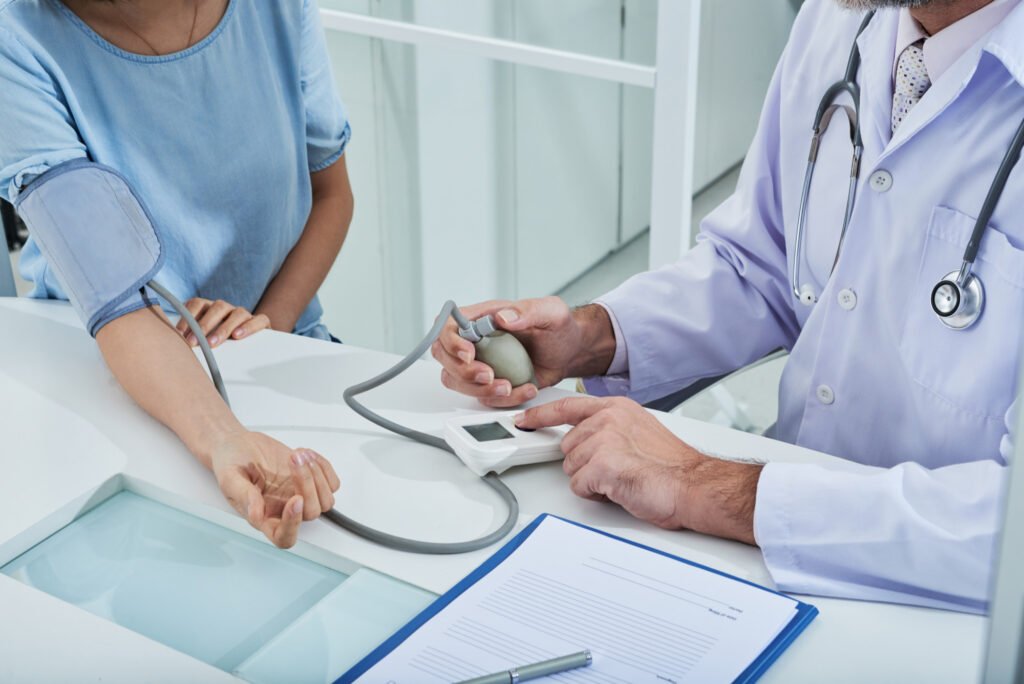
Vascular screening is an important preventive assessment designed to evaluate the health and function of the blood vessels that carry blood throughout the body. It can help identify conditions affecting the arteries and veins, including reduced blood flow, narrowing of blood vessels, blockages, and other vascular abnormalities. Many vascular conditions may develop gradually without obvious symptoms, making timely screening particularly valuable for people with risk factors such as diabetes, high blood pressure, high cholesterol, obesity, smoking, or a family history of vascular disease. Early detection allows appropriate treatment and lifestyle measures to be considered before a condition progresses.
Vascular problems can develop due to several factors that affect the structure and circulation of blood vessels. Atherosclerosis, in which fatty deposits build up inside the arteries, is one of the most common causes of reduced arterial blood flow. Diabetes, hypertension, elevated cholesterol, smoking, lack of physical activity, obesity, increasing age, and certain hereditary conditions can increase the likelihood of vascular disease. Previous vascular problems, prolonged immobility, and other medical conditions may also contribute to abnormalities in circulation.
Some vascular conditions remain silent in their early stages, which is why screening can be beneficial even when a person feels well. When symptoms occur, they may include leg pain or cramping while walking, persistent swelling, heaviness or aching in the legs, numbness, tingling, coldness of the hands or feet, changes in skin colour, or wounds that heal slowly. In certain conditions, prominent veins or skin changes may also be noticed. The nature and severity of symptoms can vary depending on which blood vessels are affected and how significantly circulation has been impaired.
Vascular screening begins with a detailed medical history and physical examination, including an assessment of pulses, skin changes, swelling, temperature, and other signs of altered circulation. Depending on the individual’s symptoms and risk factors, non-invasive tests may be recommended. These can include Doppler ultrasound, which uses sound waves to assess blood flow through arteries and veins, as well as the Ankle-Brachial Index (ABI) to compare blood pressure in the arms and legs. Additional imaging or laboratory investigations may be advised when a more detailed evaluation is required.
The appropriate management depends on the vascular condition identified, its severity, and the patient’s overall health. Mild or early vascular changes may often be managed through lifestyle modifications, including regular physical activity, a balanced diet, weight management, smoking cessation, and control of blood pressure, blood sugar, and cholesterol. Medicines may be prescribed when necessary to improve circulation or manage underlying risk factors. When significant narrowing, blockage, or another structural vascular problem is identified, minimally invasive vascular procedures or surgery may be considered based on individual clinical requirements.
After treatment or a vascular procedure, appropriate follow-up is important to support recovery and reduce the risk of recurrence or progression. Patients should follow prescribed medications and activity recommendations carefully and attend scheduled follow-up appointments. Maintaining healthy blood pressure, blood sugar, and cholesterol levels, avoiding tobacco, staying physically active as advised, and maintaining a healthy weight can contribute significantly to long-term vascular health. Any new or worsening symptoms should be discussed with the treating doctor promptly.
Vascular disease that remains undetected or untreated may gradually interfere with normal blood circulation and can lead to complications depending on the affected blood vessels. These may include persistent pain, swelling, skin changes, non-healing wounds, tissue damage, blood clots, or significant reduction in blood supply to a limb. In severe cases, vascular disease can become a medical emergency. Regular assessment and early management can help identify concerning changes and reduce the likelihood of serious complications.
A vascular evaluation is advisable if you experience persistent leg pain while walking, unexplained swelling, changes in skin colour or temperature, numbness, non-healing wounds, prominent or painful veins, or other symptoms suggesting poor circulation. People with significant vascular risk factors may also benefit from discussing screening with a qualified vascular specialist, even in the absence of symptoms. Sudden severe limb pain, marked swelling, unusual coldness or colour change, or sudden difficulty with circulation requires urgent medical attention.
Vascular screening provides an opportunity to understand your circulation and identify potential vascular problems at an earlier stage. A personalised evaluation by Dr. N. Srikantiya Indira can help determine whether screening or further investigation is appropriate based on your symptoms, medical history, and individual risk factors.
Next Investigation: Doppler Ultrasound

Get expert evaluation and personalized care for vascular and endovascular conditions.
Providing advanced vascular care with compassion, innovation and excellence.
Available 24/7
We'll Reply as soon as possible
10:00 AM - 7:00 PM
© 2026 Dr. N Srikantiya Indira. All Rights Reserved. | Copyright PrigmaSoft Technologies
WhatsApp us