Diabetic Foot Problems
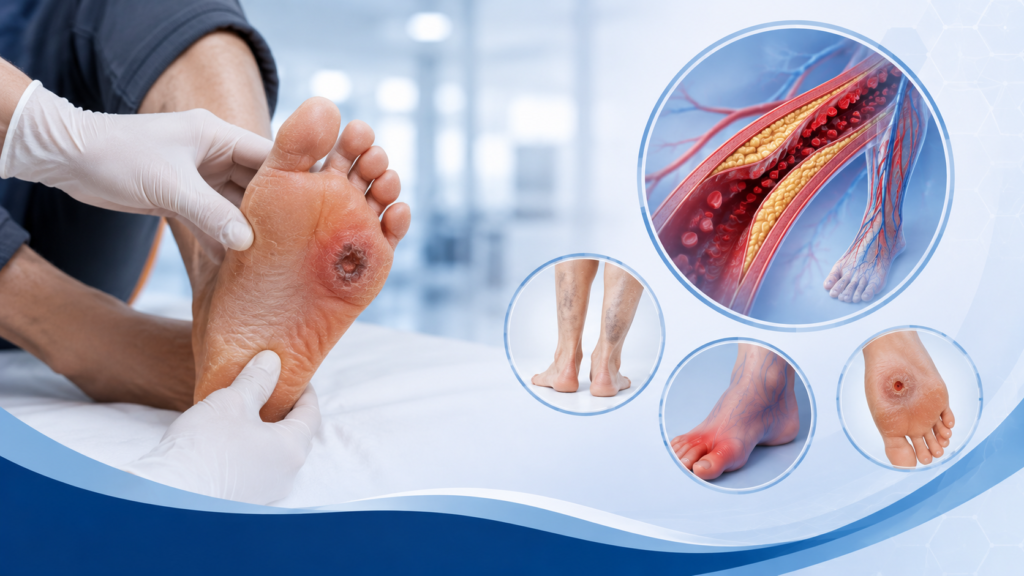
Causes, Symptoms, Prevention and Treatment Diabetes can affect many parts of the body, including the feet. Diabetic foot problems are common complications of diabetes and can become serious if they are not identified and treated early. High blood sugar over a long period can damage nerves and blood vessels, reducing sensation and blood flow in the feet. This can make minor cuts, blisters, or wounds difficult to notice and slower to heal. Understanding the warning signs of diabetic foot problems, practicing proper foot care, and seeking timely medical attention can significantly reduce the risk of infection, ulcers, and other complications. What Is a Diabetic Foot Problem? A diabetic foot problem refers to any foot condition that develops or becomes more difficult to heal because of diabetes. These problems may include nerve damage, poor circulation, skin infections, foot ulcers, and—in severe cases—tissue damage or gangrene. Two major diabetes-related complications contribute to foot problems: When reduced sensation and poor circulation occur together, even a small foot injury can potentially develop into a serious wound. Common Diabetic Foot Problems People with diabetes may experience several types of foot problems, including: Diabetic Foot Ulcers A diabetic foot ulcer is an open wound that commonly develops on areas exposed to repeated pressure or friction. Because nerve damage may reduce sensation, a person may not notice the wound until it becomes larger or infected. Diabetic Neuropathy Diabetic neuropathy can cause numbness, tingling, burning, or pain in the feet. Loss of sensation is particularly concerning because injuries may go unnoticed. Foot Infections Cuts, cracks, blisters, and ulcers can become infected. Signs of infection may include redness, swelling, warmth, discharge, unpleasant odor, or increasing pain. Dry and Cracked Skin Diabetes and nerve damage can contribute to dry skin. Cracks around the heels and other areas can provide an entry point for bacteria. Calluses and Corns Repeated pressure or friction can cause thickened areas of skin. In people with diabetes, these should not be ignored because excessive pressure underneath a callus can contribute to ulcer formation. Poor Blood Circulation Peripheral artery disease can reduce blood flow to the legs and feet. Symptoms may include cold feet, changes in skin color, leg pain while walking, or wounds that heal slowly. Symptoms of Diabetic Foot Problems Early symptoms may be subtle. Contact a healthcare professional if you notice: A diabetic foot wound should be evaluated promptly, particularly if there are signs of infection or poor circulation. What Causes Diabetic Foot Problems? Several factors can increase the risk of diabetic foot complications. High Blood Sugar Persistently elevated blood glucose can damage nerves and blood vessels over time, increasing the risk of neuropathy and poor circulation. Nerve Damage Reduced sensation can prevent a person from noticing injuries caused by footwear, walking barefoot, heat, or pressure. Poor Circulation Reduced blood supply can limit the oxygen and nutrients needed for tissue repair and wound healing. Improper Footwear Tight, poorly fitting, or uncomfortable footwear can create pressure points and cause blisters or skin injuries. Previous Foot Ulcers A previous diabetic foot ulcer increases the risk of developing another ulcer. Smoking Smoking can negatively affect blood circulation and increase the risk of vascular complications. How to Prevent Diabetic Foot Problems Prevention is an important part of diabetes management. Simple daily habits can help protect your feet. 1. Inspect Your Feet Every Day Check the tops, soles, heels, and spaces between your toes for cuts, blisters, redness, swelling, or changes in skin color. If you have difficulty seeing the bottom of your feet, use a mirror or ask someone to help. 2. Keep Your Feet Clean and Dry Wash your feet regularly with lukewarm water and dry them carefully, especially between the toes. 3. Moisturize Dry Skin Apply a suitable moisturizer to dry areas, but avoid applying cream between the toes unless specifically advised by a healthcare professional. 4. Wear Proper Footwear Choose comfortable, well-fitting shoes that do not cause pressure or friction. Avoid walking barefoot, particularly if you have reduced sensation. 5. Trim Toenails Carefully Cut toenails straight across and avoid cutting too deeply into the corners. If you have difficulty caring for your nails safely, seek professional assistance. 6. Control Blood Sugar Following your diabetes treatment plan and maintaining appropriate blood glucose levels can help reduce the risk of nerve and blood vessel damage. 7. Avoid Self-Treating Foot Wounds Do not ignore a wound or attempt to remove corns or calluses using sharp instruments or chemical treatments without medical advice. How Are Diabetic Foot Problems Diagnosed? A healthcare professional may evaluate your feet through a combination of clinical examination and diagnostic tests. Assessment may include: For people with diabetes, regular foot examinations can help identify problems before they become severe. Frequently Asked Questions About Diabetic Foot Problems What are the first signs of diabetic foot problems? Early signs may include numbness, tingling, burning, dry or cracked skin, redness, swelling, blisters, calluses, or small wounds. Some people may have very few symptoms because diabetic neuropathy can reduce sensation. Can diabetic foot ulcers heal? Yes, many diabetic foot ulcers can heal with appropriate treatment. Healing depends on factors such as blood glucose control, circulation, infection, pressure on the wound, and the person’s overall health. Can diabetic foot problems be prevented? Many diabetic foot complications can be reduced through daily foot inspection, appropriate footwear, good diabetes management, regular medical examinations, and early treatment of injuries. Should people with diabetes walk barefoot? Generally, people at increased risk of diabetic foot complications should avoid walking barefoot because reduced sensation can make it difficult to detect injuries. How often should diabetic feet be checked? People with diabetes should have their feet examined regularly by a healthcare professional, with the frequency depending on their individual risk level. Daily self-inspection is also important. Conclusion Diabetic foot problems should never be ignored. Nerve damage, poor circulation, infections, and foot ulcers can develop gradually, sometimes without significant pain. Regular foot checks, proper footwear, good diabetes management, and early medical care can help protect the feet
Peripheral Arterial Disease (PAD)
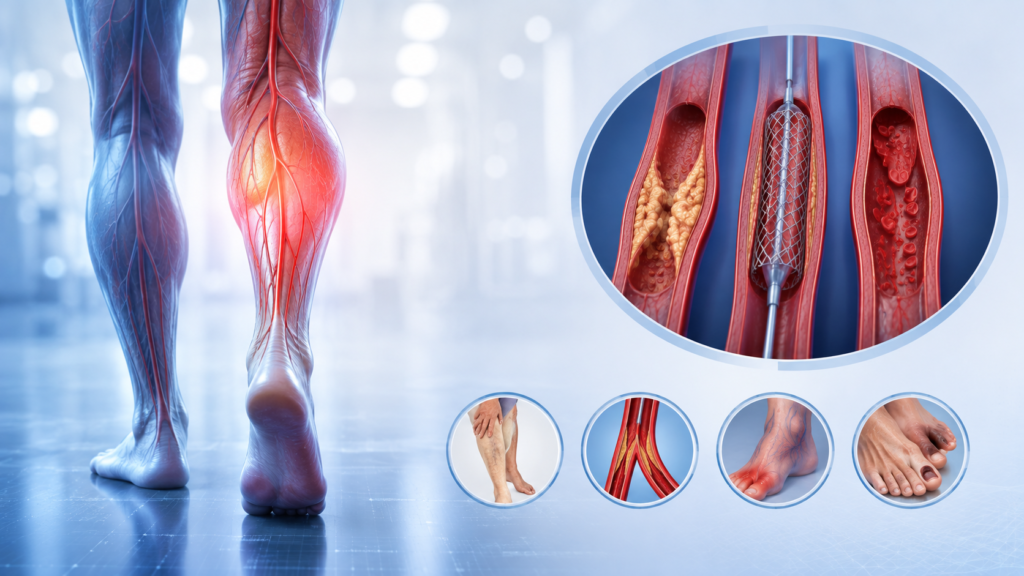
Symptoms, Causes, Treatment & FAQs Peripheral Arterial Disease (PAD) is a common circulatory condition in which narrowed or blocked arteries reduce blood flow, most often to the legs and feet. It is usually caused by a buildup of fatty deposits (plaque) inside the arteries. Early diagnosis and treatment can improve circulation, relieve symptoms, and reduce the risk of serious complications. Common Symptoms of PAD The most common symptom is leg pain while walking that improves with rest, known as intermittent claudication. Other symptoms may include cold feet, numbness or weakness in the legs, skin color changes, reduced pulses, and slow-healing wounds on the feet or legs. Causes and Risk Factors PAD is commonly caused by atherosclerosis, or plaque buildup inside the arteries. Important risk factors include: Diagnosis and Treatment Doctors may diagnose PAD using tests such as the Ankle-Brachial Index (ABI), Doppler ultrasound, CT angiography, or MR angiography. Treatment depends on the severity of the disease and may include lifestyle changes, supervised exercise, medications, and minimally invasive procedures such as angioplasty or stenting to improve blood flow. Why Early Treatment Matters Untreated PAD can progressively reduce blood circulation and, in severe cases, cause ulcers, tissue damage, or critical limb-threatening ischemia. PAD is also an important warning sign of an increased risk of heart attack and stroke. If you experience recurring leg pain while walking, persistent numbness, or a wound that is not healing, consult a vascular specialist for timely evaluation. Frequently Asked Questions About Peripheral Arterial Disease 1. What is Peripheral Arterial Disease (PAD)? Peripheral Arterial Disease is a condition in which narrowed or blocked arteries reduce blood flow to the limbs, particularly the legs and feet. Atherosclerosis is the most common cause. 2. What are the early symptoms of PAD? Early PAD may cause leg pain, cramping, or heaviness while walking that improves after resting. Some people may have no noticeable symptoms in the early stages. 3. Is PAD a serious condition? PAD can become serious if left untreated. Severe disease can lead to non-healing wounds, infections, tissue damage, and potentially limb-threatening complications. It also indicates an increased risk of cardiovascular problems. 4. Can Peripheral Arterial Disease be treated? Yes. PAD can often be managed with lifestyle changes, exercise, medications, and treatment of underlying conditions. In more advanced cases, angioplasty, stenting, or other vascular procedures may be recommended. 5. Can PAD be prevented? The risk of PAD can be reduced by avoiding smoking, maintaining healthy blood pressure and cholesterol levels, controlling diabetes, exercising regularly, maintaining a healthy weight, and following a heart-healthy diet. 6. What test is commonly used to diagnose PAD? The Ankle-Brachial Index (ABI) is a commonly used, non-invasive test for PAD. It compares blood pressure in the ankle with blood pressure in the arm to assess blood flow to the legs. 7. Does PAD cause pain in the legs? Yes. A typical symptom is pain or cramping in the calf, thigh, or buttock during walking or exercise that improves with rest. However, some people with PAD may not experience pain. 8. When should I see a doctor for PAD symptoms? You should seek medical evaluation if you regularly experience leg pain while walking, unexplained numbness or weakness, changes in skin color or temperature, or wounds on the feet or legs that heal slowly.
Varicose Veins Symptoms
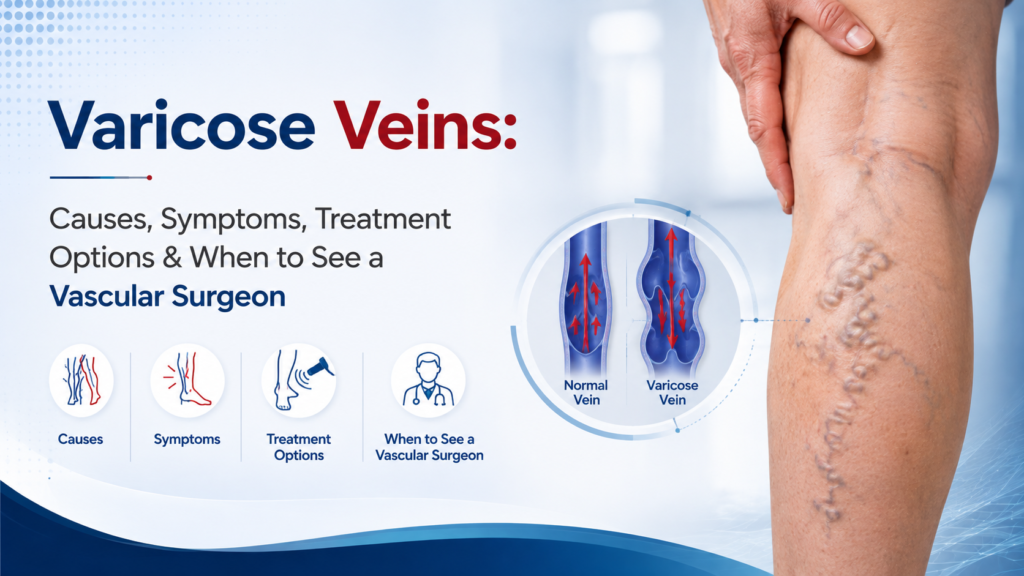
Causes, Symptoms, Treatment and Prevention Varicose veins are enlarged, twisted, and swollen veins that commonly appear on the legs. They develop when the valves inside the veins do not work properly, causing blood to flow backward and collect in the veins. Although varicose veins are often considered a cosmetic concern, they can sometimes cause pain, swelling, heaviness, skin changes, or other complications. Common varicose vein symptoms include visible bulging veins, aching or heaviness in the legs, leg swelling, itching, burning sensations, muscle cramps, and discomfort that may worsen after prolonged standing or sitting. Risk factors include family history, increasing age, pregnancy, obesity, prolonged standing, and a sedentary lifestyle. Treatment for varicose veins depends on their severity and the patient’s symptoms. Lifestyle changes, compression therapy, and regular physical activity may help manage mild symptoms. For persistent or symptomatic varicose veins, minimally invasive treatments such as sclerotherapy, endovenous laser therapy (EVLT), radiofrequency ablation (RFA), or other endovenous procedures may be considered after a specialist evaluation. Early assessment by a vascular specialist can help identify the underlying vein problem and determine the most appropriate treatment. A Doppler ultrasound is commonly used to evaluate blood flow and check for venous reflux. Frequently Asked Questions About Varicose Veins 1. What are varicose veins? Varicose veins are enlarged, twisted veins that usually develop in the legs when damaged or weak vein valves allow blood to pool instead of returning efficiently to the heart. 2. What causes varicose veins? Varicose veins can result from weakened vein valves and increased pressure in the leg veins. Age, genetics, pregnancy, obesity, prolonged standing, and lack of physical activity can increase the risk. 3. What are the common symptoms of varicose veins? Symptoms may include bulging veins, leg pain or aching, heaviness, swelling, itching, burning, muscle cramps, and discomfort that becomes worse after standing for long periods. 4. Are varicose veins dangerous? Many varicose veins are not dangerous, but some can lead to complications such as skin changes, venous ulcers, bleeding, superficial thrombophlebitis, or, less commonly, blood clots. Persistent or worsening symptoms should be evaluated by a specialist. 5. Can varicose veins go away on their own? Established varicose veins generally do not disappear on their own. Lifestyle measures can help control symptoms, while medical or minimally invasive treatments may be recommended when veins are symptomatic. 6. How are varicose veins diagnosed? A vascular specialist may examine the legs and recommend a venous Doppler ultrasound. This test helps identify abnormal blood flow and venous reflux and assists in planning appropriate treatment. 7. What is the best treatment for varicose veins? There is no single best treatment for everyone. Depending on the vein condition, symptoms, and ultrasound findings, treatment may include compression therapy, sclerotherapy, radiofrequency ablation, laser treatment, or other minimally invasive procedures. 8. Is varicose vein treatment painful? Modern minimally invasive treatments are generally performed with local anaesthesia and are designed to minimize discomfort. The level of discomfort and recovery time can vary depending on the procedure and individual patient. 9. Can varicose veins be treated without surgery? Yes. Several minimally invasive treatments can treat problematic veins without traditional open surgery. Options such as radiofrequency ablation, endovenous laser treatment, and sclerotherapy may be suitable for selected patients. 10. Can varicose veins come back after treatment? Treatment can successfully close or remove the targeted abnormal veins, but new varicose veins can develop over time because venous disease can affect other veins. Regular follow-up and lifestyle measures may help with long-term vein health. 11. How can I prevent varicose veins? Regular walking and exercise, maintaining a healthy weight, avoiding prolonged standing or sitting, elevating the legs when appropriate, and following medical advice can help improve circulation and reduce the risk of worsening symptoms. 12. When should I see a doctor for varicose veins? Consult a vascular specialist if varicose veins cause persistent pain, swelling, skin changes, ulcers, bleeding, significant discomfort, or if symptoms are worsening. Sudden leg swelling or severe pain requires prompt medical assessment.