Symptoms, Causes, Treatment & FAQs
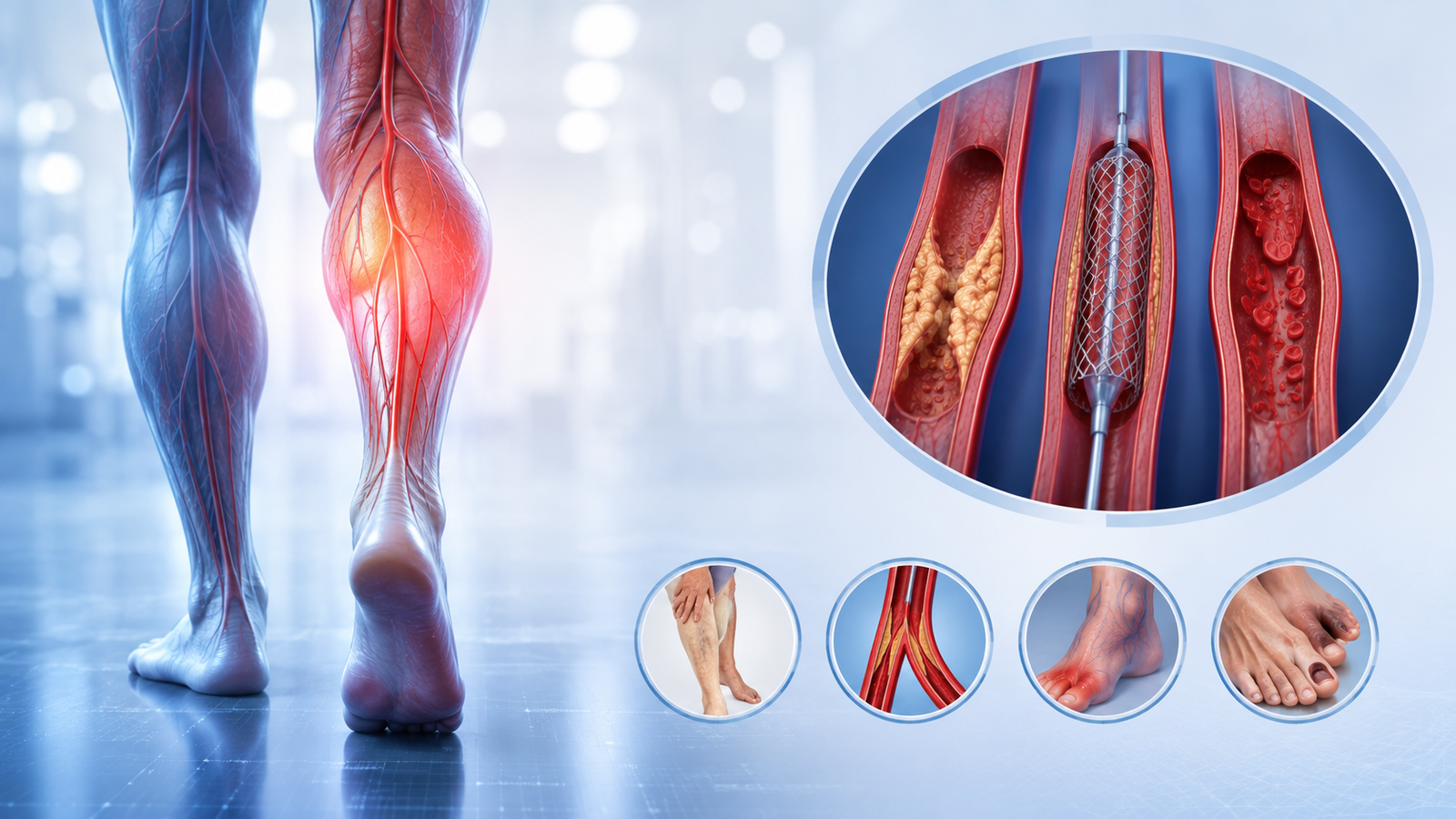
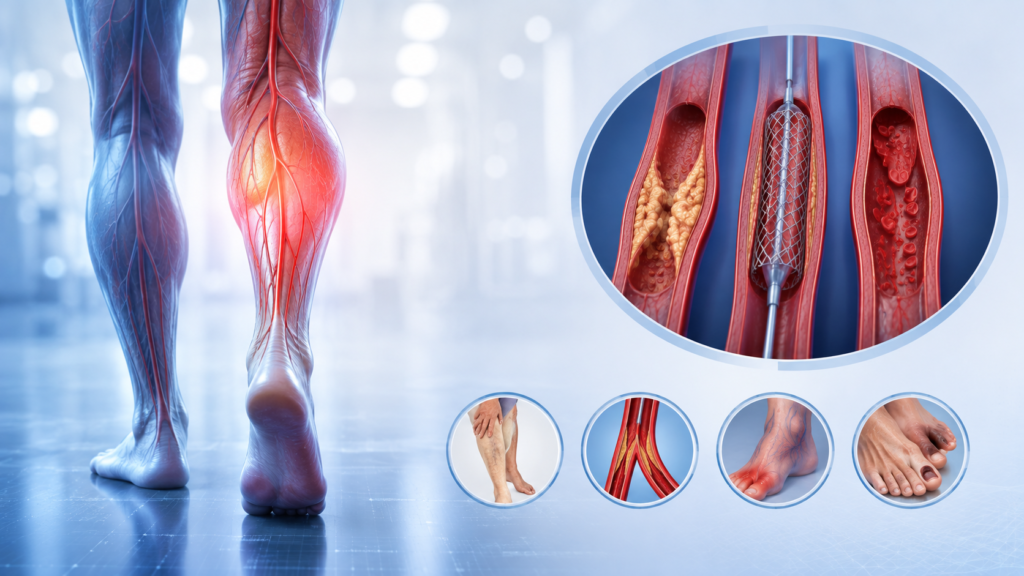
Peripheral Arterial Disease (PAD) is a common circulatory condition in which narrowed or blocked arteries reduce blood flow, most often to the legs and feet. It is usually caused by a buildup of fatty deposits (plaque) inside the arteries. Early diagnosis and treatment can improve circulation, relieve symptoms, and reduce the risk of serious complications.
Common Symptoms of PAD
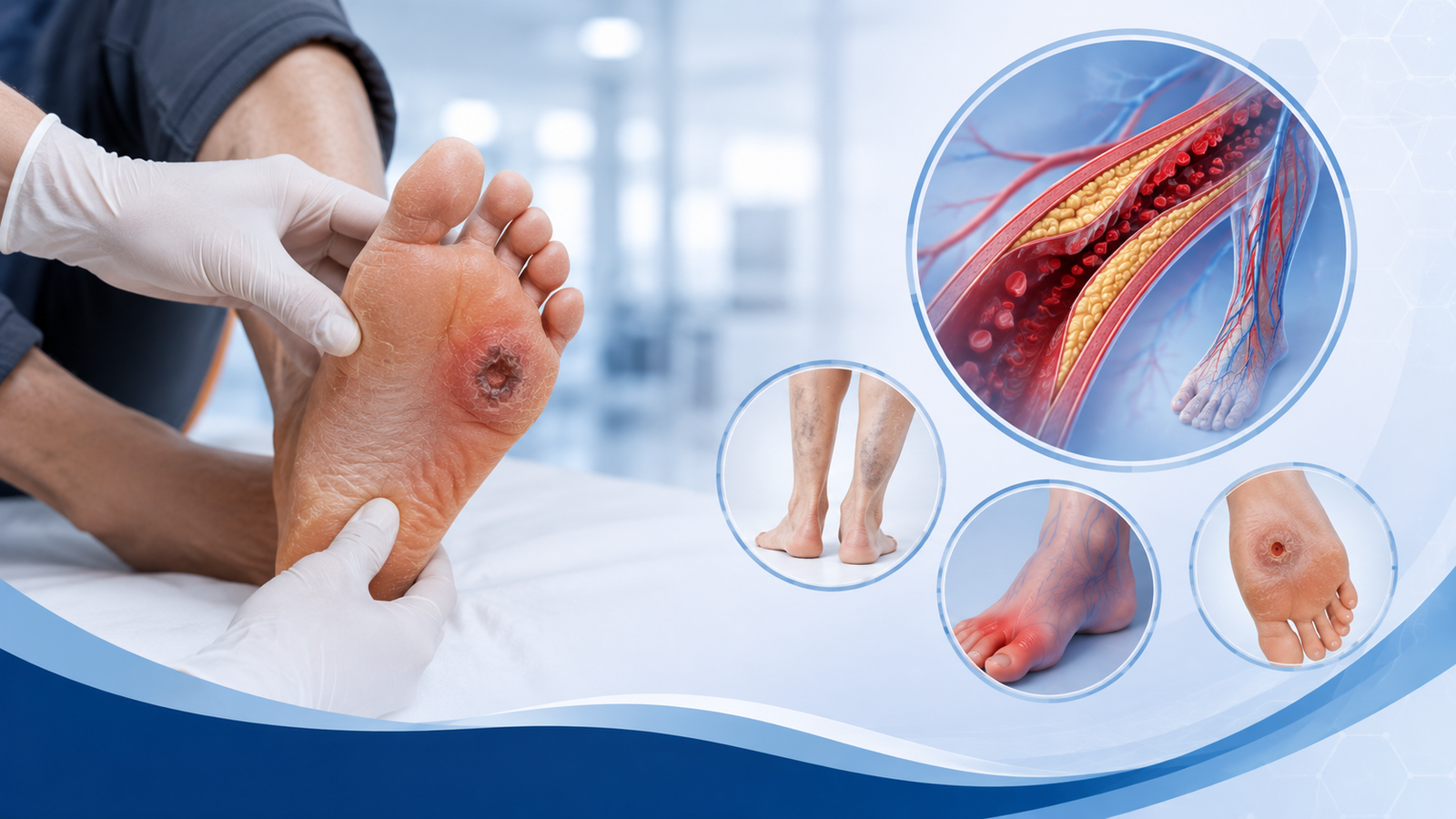
The most common symptom is leg pain while walking that improves with rest, known as intermittent claudication. Other symptoms may include cold feet, numbness or weakness in the legs, skin color changes, reduced pulses, and slow-healing wounds on the feet or legs.
Causes and Risk Factors
PAD is commonly caused by atherosclerosis, or plaque buildup inside the arteries. Important risk factors include:
- Smoking
- Diabetes
- High blood pressure
- High cholesterol
- Obesity
- Increasing age
- Family history of cardiovascular disease
Diagnosis and Treatment
Doctors may diagnose PAD using tests such as the Ankle-Brachial Index (ABI), Doppler ultrasound, CT angiography, or MR angiography. Treatment depends on the severity of the disease and may include lifestyle changes, supervised exercise, medications, and minimally invasive procedures such as angioplasty or stenting to improve blood flow.
Why Early Treatment Matters
Untreated PAD can progressively reduce blood circulation and, in severe cases, cause ulcers, tissue damage, or critical limb-threatening ischemia. PAD is also an important warning sign of an increased risk of heart attack and stroke.
If you experience recurring leg pain while walking, persistent numbness, or a wound that is not healing, consult a vascular specialist for timely evaluation.
Frequently Asked Questions About Peripheral Arterial Disease
1. What is Peripheral Arterial Disease (PAD)?
Peripheral Arterial Disease is a condition in which narrowed or blocked arteries reduce blood flow to the limbs, particularly the legs and feet. Atherosclerosis is the most common cause.
2. What are the early symptoms of PAD?
Early PAD may cause leg pain, cramping, or heaviness while walking that improves after resting. Some people may have no noticeable symptoms in the early stages.
3. Is PAD a serious condition?
PAD can become serious if left untreated. Severe disease can lead to non-healing wounds, infections, tissue damage, and potentially limb-threatening complications. It also indicates an increased risk of cardiovascular problems.
4. Can Peripheral Arterial Disease be treated?
Yes. PAD can often be managed with lifestyle changes, exercise, medications, and treatment of underlying conditions. In more advanced cases, angioplasty, stenting, or other vascular procedures may be recommended.
5. Can PAD be prevented?
The risk of PAD can be reduced by avoiding smoking, maintaining healthy blood pressure and cholesterol levels, controlling diabetes, exercising regularly, maintaining a healthy weight, and following a heart-healthy diet.
6. What test is commonly used to diagnose PAD?
The Ankle-Brachial Index (ABI) is a commonly used, non-invasive test for PAD. It compares blood pressure in the ankle with blood pressure in the arm to assess blood flow to the legs.
7. Does PAD cause pain in the legs?
Yes. A typical symptom is pain or cramping in the calf, thigh, or buttock during walking or exercise that improves with rest. However, some people with PAD may not experience pain.
8. When should I see a doctor for PAD symptoms?
You should seek medical evaluation if you regularly experience leg pain while walking, unexplained numbness or weakness, changes in skin color or temperature, or wounds on the feet or legs that heal slowly.