Clinic Hours
Mon-Sat
10:00 AM - 7:00 PM
Book Appointment
Schedule Your
Consultation Today
Call Us Now
+91-9281144557
Available 24/7
Mon-Sat
10:00 AM - 7:00 PM
Schedule Your
Consultation Today
+91-9281144557
Available 24/7

MBBS, MS, DrNB (Vascular Surgery)
Vascular & Endovascular Surgeon
We're here for you
Available 24/7
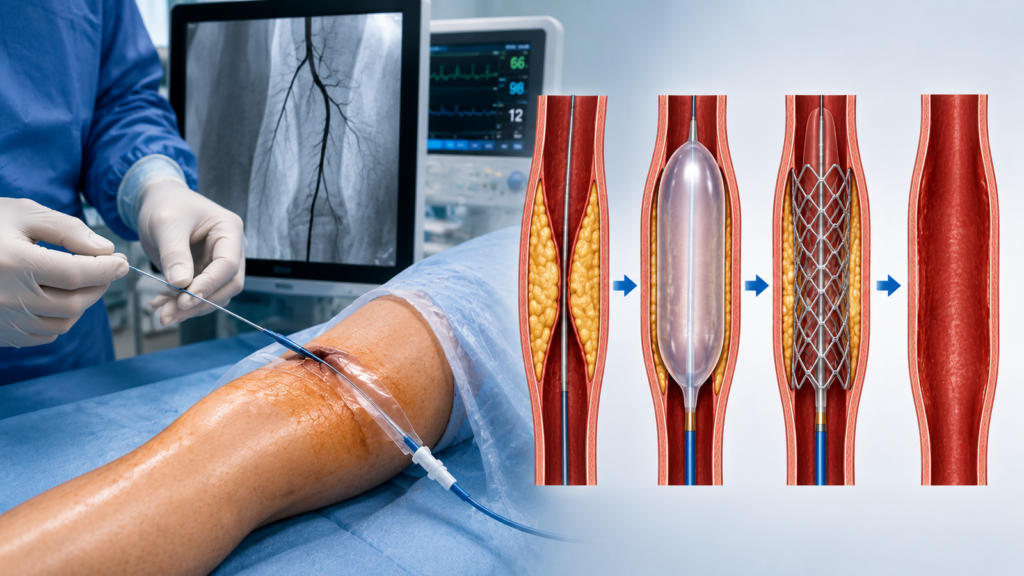
Angioplasty is a minimally invasive medical procedure used to restore blood flow through arteries that have become narrowed or blocked. It is most commonly performed to treat coronary artery disease, where plaque builds up inside the arteries supplying blood to the heart. During angioplasty, a thin catheter is guided through a blood vessel to the affected area, where a small balloon is inflated to widen the narrowed artery. In many cases, a stent is placed to help keep the artery open and improve long-term blood flow. Angioplasty for Vascular Disease in Hitec City, Hyderabad can provide significant relief from symptoms and, when appropriately indicated, help reduce the risk of serious cardiovascular complications.
Arterial narrowing or blockage is most often caused by atherosclerosis, a condition in which cholesterol, fatty deposits, calcium and other substances accumulate within the arterial walls. Several factors can increase the likelihood of developing this condition, including high blood pressure, high cholesterol, diabetes, smoking, obesity, physical inactivity and a family history of cardiovascular disease. Age and certain lifestyle factors can also contribute to the gradual development of arterial disease. In some situations, a blood clot may suddenly obstruct an artery, particularly during a heart attack, requiring urgent treatment such as angioplasty.
The symptoms associated with narrowed or blocked arteries depend on the location and severity of the blockage. In coronary artery disease, patients may experience chest pain or pressure, particularly during physical activity or emotional stress. The discomfort may sometimes spread to the arm, shoulder, neck, jaw or back and may be accompanied by breathlessness, unusual tiredness, sweating, nausea or dizziness. Some individuals, particularly those with diabetes, may have few or no obvious symptoms. Sudden or severe chest discomfort, especially when associated with breathing difficulty or sweating, requires immediate medical attention.
Before recommending angioplasty, the doctor evaluates the patient’s symptoms, medical history and cardiovascular risk factors. Diagnostic investigations may include an electrocardiogram, blood tests, echocardiography, stress testing and imaging studies. Coronary angiography is commonly used to identify the location and severity of arterial narrowing and to determine whether angioplasty is appropriate. The decision is based on the overall clinical condition of the patient, the extent of arterial disease and the expected benefits of treatment.
Angioplasty is performed under medical supervision using a catheter inserted through an artery, commonly in the wrist or groin. A small balloon at the tip of the catheter is positioned at the narrowed section and carefully inflated to improve the diameter of the artery. A coronary stent may then be placed to support the vessel and maintain adequate blood flow. Depending on the patient’s condition, angioplasty may be planned as a scheduled procedure or performed urgently during a heart attack. In cases where angioplasty is not suitable or when disease is extensive, alternative treatments such as medication or coronary artery bypass surgery may be considered.
Recovery after angioplasty varies depending on the patient’s overall health and whether the procedure was elective or performed during an emergency. Patients are generally advised to take prescribed medicines consistently, particularly medications that help prevent blood clots when a stent has been placed. Maintaining a heart-healthy lifestyle is equally important and may include a balanced diet, regular physical activity as advised by the doctor, smoking cessation and appropriate control of blood pressure, cholesterol and blood sugar. Follow-up appointments help monitor recovery, manage risk factors and assess long-term cardiovascular health.
Although angioplasty is generally considered a safe and effective procedure, complications can occur in some patients. Possible risks include bleeding or bruising at the catheter insertion site, damage to the blood vessel, allergic reactions to contrast material, abnormal heart rhythm or infection. In uncommon cases, a blood clot may develop inside the stent, or the treated artery may become narrowed again. Serious complications such as heart attack, stroke or significant bleeding are rare but can occur, particularly in patients with complex or severe cardiovascular disease.
Medical evaluation is recommended for persistent or recurring chest discomfort, unexplained breathlessness, reduced exercise tolerance or other symptoms that may indicate reduced blood flow to the heart. Patients who have already undergone angioplasty should seek medical attention if they develop new or worsening chest pain, severe shortness of breath, fainting or unusual symptoms. Sudden, severe chest pain or pressure accompanied by sweating, nausea, dizziness or difficulty breathing may indicate a heart attack and requires emergency medical care without delay.
Timely diagnosis, appropriate treatment and consistent follow-up can play an important role in maintaining healthy blood circulation and reducing the risk of cardiovascular complications. For individuals requiring Angioplasty for Vascular Disease in Hitec City, Hyderabad, Dr. N. Srikantiya Indira provides patient-focused evaluation and guidance to help individuals understand their condition and choose an appropriate treatment approach based on their individual medical needs.
Next Treatment: Vascular Stenting

Get expert evaluation and personalized care for vascular and endovascular conditions.
Providing advanced vascular care with compassion, innovation and excellence.
Available 24/7
We'll Reply as soon as possible
10:00 AM - 7:00 PM
© 2026 Dr. N Srikantiya Indira. All Rights Reserved. | Copyright PrigmaSoft Technologies
WhatsApp us