Clinic Hours
Mon-Sat
10:00 AM - 7:00 PM
Book Appointment
Schedule Your
Consultation Today
Call Us Now
+91-9281144557
Available 24/7
Mon-Sat
10:00 AM - 7:00 PM
Schedule Your
Consultation Today
+91-9281144557
Available 24/7

MBBS, MS, DrNB (Vascular Surgery)
Vascular & Endovascular Surgeon
We're here for you
Available 24/7
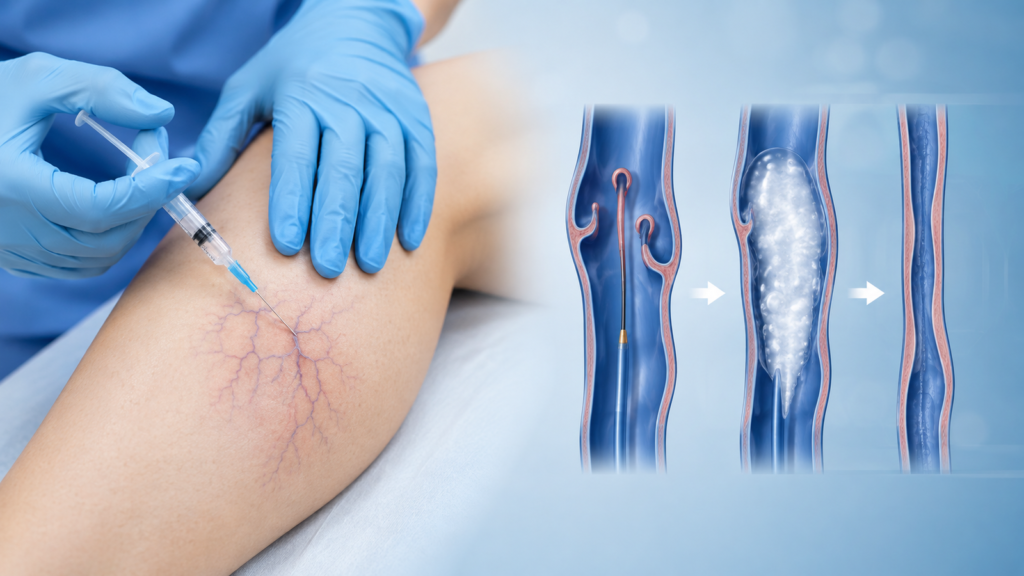
Sclerotherapy is a minimally invasive treatment used to manage unwanted or problematic veins, particularly spider veins and smaller varicose veins. During the procedure, a specially selected medical solution is injected into the affected vein, causing the vein walls to close and gradually allowing the body to absorb the treated vessel. Over time, blood is naturally redirected through healthier veins, helping improve circulation in the treated area and reducing the appearance and symptoms associated with problematic veins. Sclerotherapy is commonly performed as an outpatient procedure and may be recommended based on the size, location, and condition of the veins.
Varicose and spider veins develop when the valves inside the veins do not function properly, allowing blood to pool instead of flowing efficiently back toward the heart. Several factors can contribute to this condition, including hereditary tendency, increasing age, prolonged standing or sitting, pregnancy, hormonal changes, excess body weight, and reduced physical activity. Previous vein problems or conditions that increase pressure within the veins may also contribute to their development. A detailed assessment helps determine the underlying factors and whether sclerotherapy is an appropriate treatment.
Some people seek treatment for veins primarily because of their visible appearance, while others experience uncomfortable symptoms. Common symptoms may include enlarged or twisted veins, small spider-like veins, aching or heaviness in the legs, swelling, burning, itching, cramping, or discomfort that becomes more noticeable after prolonged standing. In some cases, symptoms may worsen toward the end of the day. Persistent or progressive symptoms should be evaluated by a qualified vascular or pain management specialist to identify the underlying cause and determine the most suitable treatment.
Before recommending sclerotherapy, the doctor evaluates the patient’s symptoms, medical history, lifestyle factors, and the appearance of the affected veins. A physical examination helps assess the size, distribution, and condition of the veins. When deeper venous problems or abnormal blood flow are suspected, a Doppler ultrasound or other vascular imaging may be advised. Proper diagnosis is important because not every vein condition is best treated with sclerotherapy, and identifying underlying venous insufficiency can help guide a more effective treatment plan.
Sclerotherapy involves carefully injecting a sclerosant solution into the targeted vein using a fine needle. The solution irritates the inner lining of the vein, causing it to close and gradually fade as the body processes the treated vessel. Depending on the size and characteristics of the veins, different types of sclerotherapy may be considered, including liquid or foam sclerotherapy. Some patients may require more than one treatment session to achieve the desired result. The treatment plan is individualized according to the patient’s condition, vein characteristics, symptoms, and overall vascular health.
After sclerotherapy, patients are generally encouraged to remain mobile and follow the activity recommendations provided by their doctor. Compression stockings may be advised for a specific period to support the treated veins and promote healthy blood flow. Patients may be asked to avoid prolonged sitting or standing, strenuous exercise, excessive heat exposure, or activities that could interfere with healing for a short period, depending on the treatment performed. Mild bruising, tenderness, or temporary discoloration can occur and usually improves gradually. Following post-treatment instructions carefully can support recovery and treatment outcomes.
Sclerotherapy is generally considered a safe procedure when performed by an appropriately trained medical professional, but temporary side effects can occur. These may include bruising, redness, mild swelling, tenderness, itching, or temporary skin discoloration around the treated vein. Less common complications can include inflammation of a treated vein, formation of small blood clots, allergic reaction, or changes in skin pigmentation. Rarely, more serious vascular complications may occur. A proper medical evaluation before treatment helps reduce risks and ensures that the procedure is suitable for the individual patient.
Patients should consider medical evaluation when visible spider or varicose veins are accompanied by persistent pain, swelling, heaviness, itching, skin changes, or recurrent discomfort. Prompt medical attention is particularly important if a leg suddenly becomes significantly swollen, painful, warm, or discolored, as these symptoms may require urgent evaluation. Consulting Dr. N. Srikantiya Indira can help determine whether sclerotherapy or another vein treatment is appropriate based on the patient’s symptoms, diagnosis, and individual health needs.
Next Treatment: Angioplasty

Get expert evaluation and personalized care for vascular and endovascular conditions.
Providing advanced vascular care with compassion, innovation and excellence.
Available 24/7
We'll Reply as soon as possible
10:00 AM - 7:00 PM
© 2026 Dr. N Srikantiya Indira. All Rights Reserved. | Copyright PrigmaSoft Technologies
WhatsApp us