Clinic Hours
Mon-Sat
10:00 AM - 7:00 PM
Book Appointment
Schedule Your
Consultation Today
Call Us Now
+91-9281144557
Available 24/7
Mon-Sat
10:00 AM - 7:00 PM
Schedule Your
Consultation Today
+91-9281144557
Available 24/7

MBBS, MS, DrNB (Vascular Surgery)
Vascular & Endovascular Surgeon
We're here for you
Available 24/7
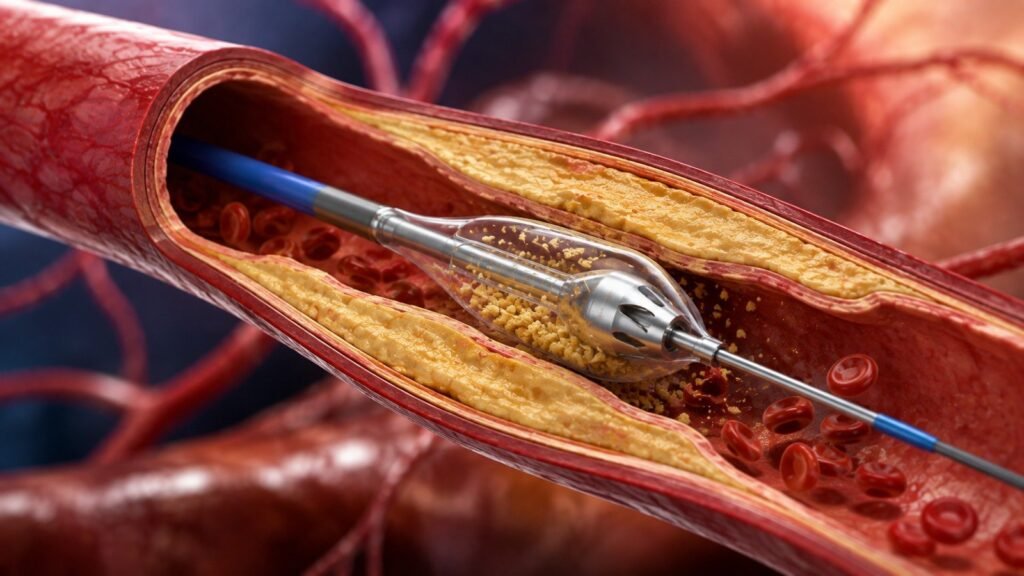
Atherectomy is a minimally invasive vascular procedure used to treat narrowed or blocked arteries caused by the buildup of plaque. Plaque is made up of cholesterol, calcium, fatty deposits, and other substances that can harden within the arterial wall and restrict blood flow. During an atherectomy procedure, specialized medical equipment is used to remove or reduce the plaque, helping restore blood flow through the affected artery. It may be considered when arterial narrowing is significant, particularly in patients with peripheral artery disease (PAD), and can sometimes be used alongside angioplasty or stent placement depending on the individual condition.
Arterial narrowing that may require atherectomy most commonly develops because of atherosclerosis, a gradual process in which plaque accumulates inside the arteries. Factors such as smoking, diabetes, high blood pressure, high cholesterol, obesity, physical inactivity, and increasing age can increase the likelihood of developing arterial disease. Over time, plaque may become hardened with calcium, making the artery less flexible and more difficult to treat with conventional techniques. When plaque significantly interferes with circulation, a vascular specialist may evaluate whether atherectomy is an appropriate treatment option.
Symptoms depend on the location and severity of the arterial blockage. In peripheral artery disease, patients may experience pain, aching, heaviness, or cramping in the legs while walking or exercising, which often improves with rest. Other symptoms can include numbness, weakness, coldness in the feet or legs, changes in skin colour, slow-healing wounds, or reduced hair growth on the affected limb. In more advanced disease, pain may occur even at rest, particularly at night. Any sudden or severe change in circulation requires prompt medical evaluation.
Diagnosis begins with a detailed medical history and physical examination, including assessment of pulses and circulation in the affected limb. Tests such as the ankle-brachial index (ABI), Doppler ultrasound, CT angiography, or MR angiography may be recommended to understand blood-flow patterns and identify the location and extent of arterial narrowing. In selected cases, conventional angiography may be performed to provide a detailed view of the blood vessels and help plan treatment. The results allow the vascular specialist to determine whether atherectomy, angioplasty, stenting, medication, or another approach is most appropriate.
Atherectomy is performed through a catheter that is introduced into the blood vessel, usually through a small access point. The specialized device is guided to the narrowed section of the artery, where it removes, cuts, sands, or modifies plaque depending on the type of atherectomy system being used. This creates more space within the artery and improves blood flow. In some cases, atherectomy is combined with balloon angioplasty to further widen the artery, while a stent may be considered when additional support is needed to maintain adequate blood flow. Treatment is selected based on the location of the blockage, plaque characteristics, overall vascular health, and individual patient needs.
After atherectomy, patients are generally advised to follow their vascular specialist’s instructions regarding activity, wound care, medications, and follow-up appointments. Maintaining good control of blood pressure, blood sugar, and cholesterol is important for protecting long-term vascular health. Patients should avoid smoking and follow a healthy diet and appropriate physical activity plan as recommended. Regular follow-up helps monitor circulation, assess recovery, and identify any recurrence or progression of arterial disease at an early stage.
Although atherectomy is minimally invasive, like any vascular procedure it can have potential risks. These may include bleeding or bruising at the catheter insertion site, infection, damage to the blood vessel, blood clots, temporary changes in blood flow, or recurrence of arterial narrowing. In some cases, plaque or debris can move into smaller blood vessels and affect circulation. Serious complications are uncommon, but the overall risk depends on the patient’s health, the severity and location of the arterial disease, and the complexity of the procedure. A vascular specialist will discuss the expected benefits and potential risks before treatment.
Patients experiencing recurring leg pain while walking, unexplained leg weakness or numbness, cold feet, changes in skin colour, or wounds that are slow to heal should seek medical evaluation. People with known peripheral artery disease or significant risk factors for vascular disease may also benefit from regular vascular assessment. Sudden severe pain, marked coldness or discolouration of a limb, or a sudden loss of sensation or movement can indicate an urgent circulation problem and requires immediate medical attention. Early diagnosis and appropriate treatment can help improve blood flow, protect the affected limb, and support better long-term vascular health.
Next Treatment: Aneurysm Repair

Get expert evaluation and personalized care for vascular and endovascular conditions.
Providing advanced vascular care with compassion, innovation and excellence.
Available 24/7
We'll Reply as soon as possible
10:00 AM - 7:00 PM
© 2026 Dr. N Srikantiya Indira. All Rights Reserved. | Copyright PrigmaSoft Technologies
WhatsApp us