Clinic Hours
Mon-Sat
10:00 AM - 7:00 PM
Book Appointment
Schedule Your
Consultation Today
Call Us Now
+91-9281144557
Available 24/7
Mon-Sat
10:00 AM - 7:00 PM
Schedule Your
Consultation Today
+91-9281144557
Available 24/7

MBBS, MS, DrNB (Vascular Surgery)
Vascular & Endovascular Surgeon
We're here for you
Available 24/7
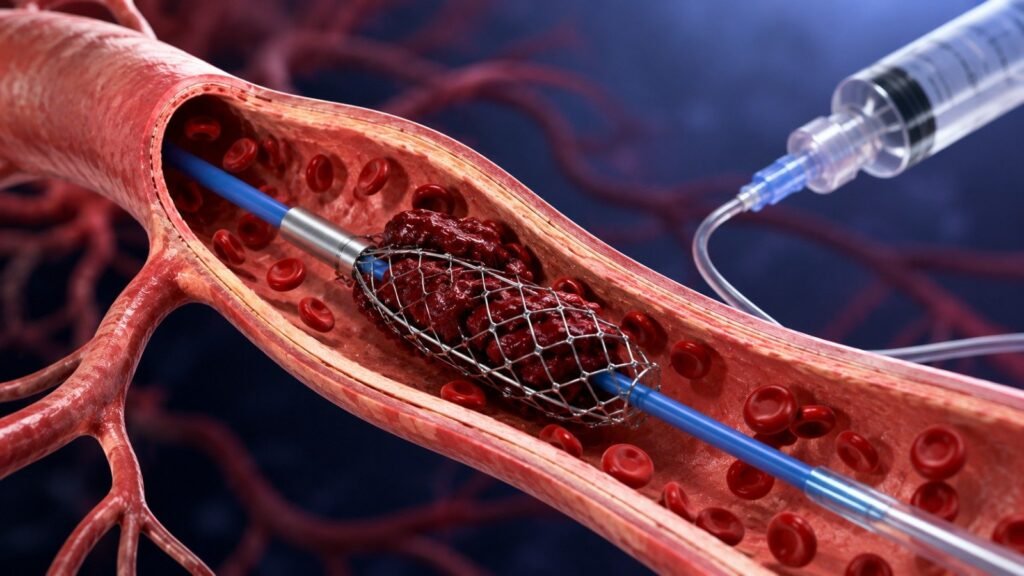
Thrombectomy and thrombolysis are advanced treatments used to manage blood clots that block blood vessels and restrict normal blood flow. These procedures are particularly important in conditions such as deep vein thrombosis, acute limb ischemia, pulmonary embolism, and certain other vascular emergencies. Thrombolysis works by using medication to dissolve the clot, while thrombectomy involves physically removing the clot from the affected blood vessel. The choice of treatment depends on the location, size, severity, and duration of the blockage, as well as the patient’s overall health.
Blood clots can develop when blood flow becomes slow or abnormal, when the blood vessel lining is damaged, or when the blood has an increased tendency to clot. Prolonged immobility, recent surgery, trauma, certain medical conditions, obesity, smoking, dehydration, and some medications can increase the risk of thrombosis. In some patients, an underlying blood-clotting disorder or vascular disease may also contribute to clot formation. Identifying the underlying cause is important for preventing future episodes and planning appropriate treatment.
Symptoms depend on which blood vessel is affected. A clot in a limb may cause sudden pain, swelling, tenderness, heaviness, skin discoloration, or a noticeable difference in temperature between the affected and unaffected limb. Acute blockage of an artery can result in severe pain, numbness, weakness, coldness, or difficulty moving the affected limb and requires urgent medical attention. If a clot travels to the lungs, it may cause sudden breathlessness, chest pain, rapid heartbeat, coughing, or dizziness. Symptoms that develop suddenly should never be ignored.
Accurate diagnosis begins with a detailed medical history and physical examination. Depending on the suspected location of the clot, investigations may include Doppler ultrasound, CT angiography, MR angiography, or other vascular imaging techniques. Blood tests may also be recommended to assess clotting function and identify factors that could increase the risk of thrombosis. Early and precise diagnosis helps determine whether medication, minimally invasive clot removal, or another treatment approach is most appropriate.
Treatment for a blood clot is individualized according to its severity and location. Anticoagulant medicines may be prescribed to prevent the clot from growing and to reduce the risk of new clots. Thrombolysis involves delivering clot-dissolving medication to break down a significant or potentially dangerous clot and restore blood flow. In selected cases, thrombectomy may be performed using a catheter-based technique to physically remove the clot from the blood vessel. These minimally invasive approaches can help restore circulation while potentially reducing tissue damage and improving recovery when performed at the appropriate time.
After thrombectomy or thrombolysis, patients require appropriate monitoring to ensure that blood flow has been restored and that there are no signs of bleeding or recurrent clot formation. Medicines such as anticoagulants may be continued as advised by the treating doctor. Patients should follow recommendations regarding physical activity, hydration, wound or catheter-site care, and follow-up investigations. Managing contributing risk factors, maintaining a healthy lifestyle, avoiding prolonged inactivity, and attending scheduled vascular follow-ups can help reduce the likelihood of future blood clots.
Although thrombectomy and thrombolysis can be highly effective in appropriately selected patients, they may carry certain risks. These can include bleeding, damage to the blood vessel, infection, allergic reactions to contrast material, recurrence of the clot, or incomplete restoration of blood flow. Thrombolytic medicines can increase the risk of significant bleeding, which is why careful patient selection and monitoring are essential. The potential benefits and risks are assessed individually before recommending treatment.
Prompt medical evaluation is important when symptoms suggest a blood clot or sudden loss of blood flow. Seek urgent medical attention for sudden severe limb pain, swelling, coldness, numbness, weakness, or a change in skin colour. Sudden breathlessness, chest pain, coughing with blood, fainting, or unexplained rapid heartbeat may indicate a serious clot-related emergency and require immediate medical care. Early diagnosis and timely treatment can be critical in protecting circulation, preventing complications, and improving outcomes.
Next Treatment: Atherectomy

Get expert evaluation and personalized care for vascular and endovascular conditions.
Providing advanced vascular care with compassion, innovation and excellence.
Available 24/7
We'll Reply as soon as possible
10:00 AM - 7:00 PM
© 2026 Dr. N Srikantiya Indira. All Rights Reserved. | Copyright PrigmaSoft Technologies
WhatsApp us