Clinic Hours
Mon-Sat
10:00 AM - 7:00 PM
Book Appointment
Schedule Your
Consultation Today
Call Us Now
+91-9281144557
Available 24/7
Mon-Sat
10:00 AM - 7:00 PM
Schedule Your
Consultation Today
+91-9281144557
Available 24/7
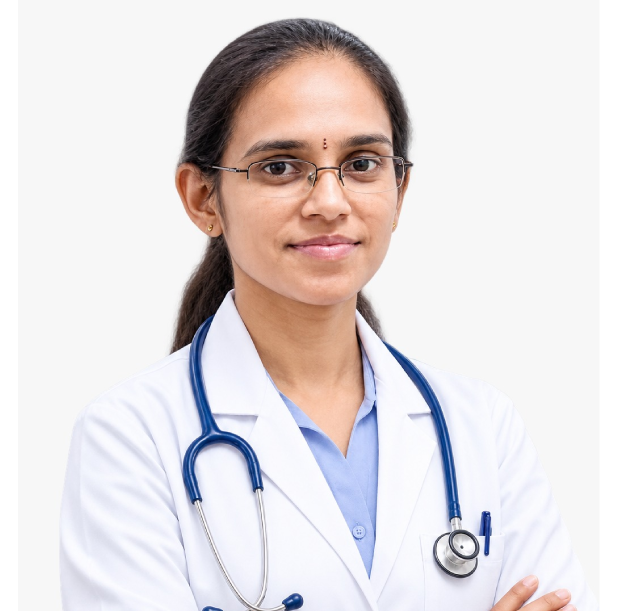
MBBS, MS, DrNB (Vascular Surgery)
Vascular & Endovascular Surgeon
We're here for you
Available 24/7
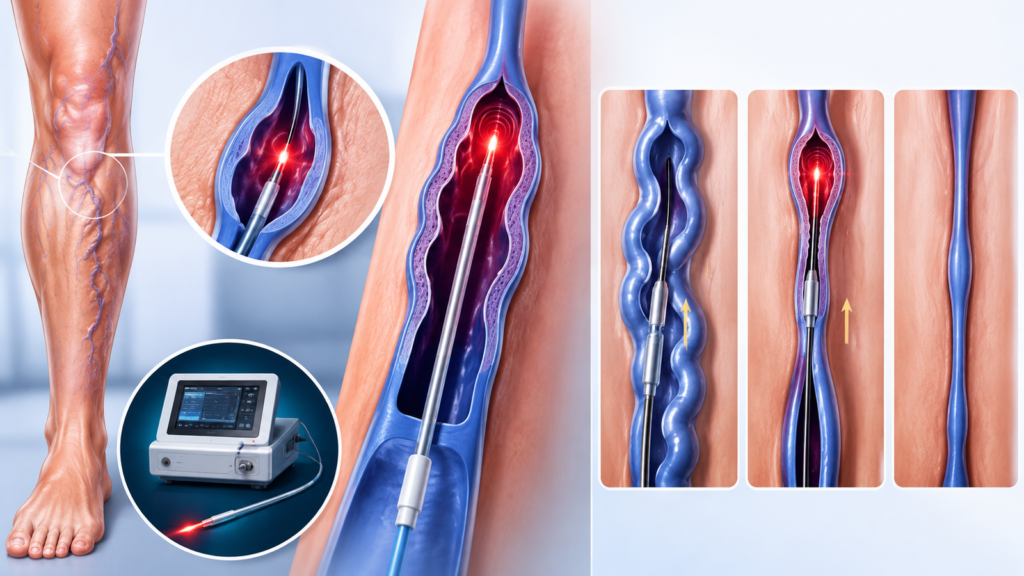
Endovenous Laser Ablation (EVLA) is a minimally invasive treatment used to manage varicose veins and chronic venous insufficiency. It uses controlled laser energy to close an unhealthy vein that is allowing blood to flow in the wrong direction. Once the affected vein is sealed, blood is naturally redirected through healthier veins, helping improve circulation and reduce symptoms. EVLA is performed through a small skin puncture and generally does not require a large surgical incision, making it an effective and convenient alternative to traditional vein surgery for suitable patients.
Varicose veins commonly develop when the valves inside the veins become weak or damaged. These valves normally help blood move upward toward the heart, but when they do not function properly, blood can flow backward and accumulate in the veins. This increased pressure can cause veins to become enlarged, twisted, and visible beneath the skin. Factors such as prolonged standing or sitting, increasing age, family history, pregnancy, obesity, hormonal changes, and reduced physical activity may increase the likelihood of developing venous disease. EVLA may be recommended when an underlying incompetent vein is contributing significantly to these symptoms.
Varicose veins may cause more than visible changes in the legs. Patients can experience aching, heaviness, tiredness, burning, throbbing, or discomfort, particularly after prolonged standing or walking. Swelling around the ankles and lower legs may also occur, especially toward the end of the day. Some patients experience itching, cramps, skin discoloration, or a feeling of warmth in the affected area. If venous disease progresses, skin changes or venous ulcers may develop. Persistent or worsening symptoms should be evaluated by a qualified vascular specialist.
Diagnosis of venous disease begins with a detailed medical history and physical examination. A doctor may assess the appearance of the veins, areas of swelling, skin changes, and the patient’s symptoms. Duplex ultrasound is commonly used to examine blood flow through the veins and identify reflux or malfunctioning valves. This evaluation helps determine which veins are affected and whether Endovenous Laser Ablation is an appropriate treatment. A personalised assessment is important because the severity and pattern of venous disease can vary from one patient to another.
Treatment for varicose veins depends on the severity of the condition, the veins involved, and the patient’s overall health. Conservative measures may include regular physical activity, weight management, leg elevation, and compression therapy when appropriate. For patients with significant venous reflux, minimally invasive procedures such as Endovenous Laser Ablation can provide effective closure of the affected vein. Depending on the individual case, other options such as radiofrequency ablation, sclerotherapy, or phlebectomy may also be considered. Dr. N. Srikantiya Indira can evaluate the underlying venous problem and recommend a treatment approach suited to the patient’s condition.
After EVLA, most patients can return to normal daily activities relatively quickly, although individual recovery may vary. Walking is generally encouraged to support healthy blood circulation, while strenuous exercise and heavy lifting may need to be limited for a short period as advised by the doctor. Compression stockings may be recommended depending on the patient’s condition and treatment plan. Mild bruising, tenderness, tightness, or discomfort along the treated vein can occur during the initial recovery period and usually improves gradually. Patients should follow their prescribed follow-up schedule so that healing and treatment response can be assessed.
Endovenous Laser Ablation is generally considered a safe and well-established minimally invasive procedure when performed after appropriate evaluation. Temporary bruising, swelling, tenderness, skin sensitivity, or a pulling sensation along the treated vein may occur. Less common complications can include skin irritation or burns, inflammation of the treated vein, nerve irritation, infection, blood clots, or recurrence of varicose veins. The overall risk depends on individual health factors and the extent of venous disease. A detailed consultation before treatment helps identify potential risks and determine whether EVLA is suitable.
You should consult a vascular or vein specialist if you notice persistent or worsening varicose veins, leg swelling, heaviness, pain, skin discoloration, recurrent cramps, or changes around the ankles or lower legs. Medical evaluation is especially important if symptoms interfere with daily activities or if a varicose vein becomes painful, red, warm, or suddenly swollen. Early assessment can help identify venous insufficiency and determine whether conservative treatment or a minimally invasive procedure such as EVLA may be appropriate. Dr. N. Srikantiya Indira provides individualised evaluation and treatment planning based on each patient’s symptoms, examination findings, and vascular ultrasound results.
Next Treatment: Radiofrequency Ablation (RFA)

Get expert evaluation and personalized care for vascular and endovascular conditions.
Providing advanced vascular care with compassion, innovation and excellence.
Available 24/7
We'll Reply as soon as possible
10:00 AM - 7:00 PM
© 2026 Dr. N Srikantiya Indira. All Rights Reserved. | Copyright PrigmaSoft Technologies
WhatsApp us