Clinic Hours
Mon-Sat
10:00 AM - 7:00 PM
Book Appointment
Schedule Your
Consultation Today
Call Us Now
+91-9281144557
Available 24/7
Mon-Sat
10:00 AM - 7:00 PM
Schedule Your
Consultation Today
+91-9281144557
Available 24/7

MBBS, MS, DrNB (Vascular Surgery)
Vascular & Endovascular Surgeon
We're here for you
Available 24/7
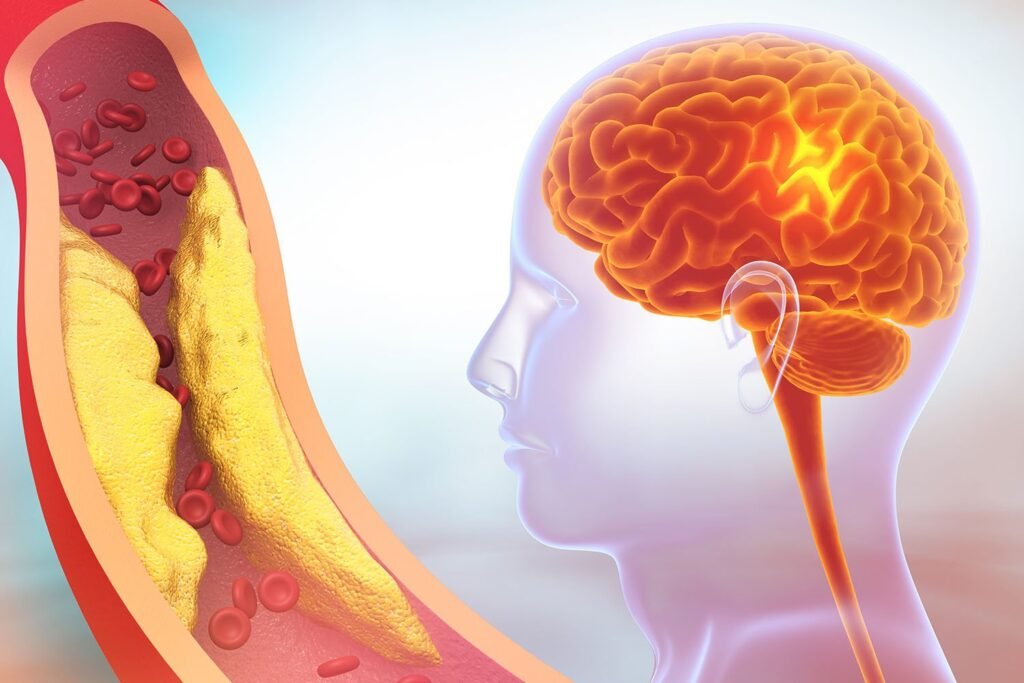
Carotid artery interventions are specialized procedures used to improve blood flow through the carotid arteries, the major blood vessels that supply oxygen-rich blood to the brain. Narrowing or blockage of these arteries, often caused by the buildup of fatty deposits known as plaque, can increase the risk of a transient ischemic attack (TIA) or stroke. Carotid artery interventions are considered when significant narrowing is present and treatment is needed to reduce the risk of future neurological complications. The appropriate procedure is selected after a detailed assessment of the patient’s symptoms, overall health, degree of artery narrowing, and individual risk factors.
Carotid artery narrowing, also known as carotid artery stenosis, most commonly develops due to atherosclerosis. Over time, cholesterol, calcium, and other substances can accumulate within the artery walls and form plaque, gradually reducing the space available for blood flow. Risk factors such as high blood pressure, high cholesterol, diabetes, smoking, obesity, physical inactivity, and increasing age can contribute to the development and progression of carotid artery disease. In some cases, other vascular conditions or previous injury to the artery may also affect blood flow.
Carotid artery disease may develop without noticeable symptoms, particularly during its early stages. When blood flow to the brain is temporarily reduced, a patient may experience warning signs such as sudden weakness or numbness on one side of the body, difficulty speaking or understanding speech, sudden vision problems, dizziness, or loss of balance. These symptoms may indicate a TIA and should never be ignored, even if they disappear within a short period. Prompt medical evaluation is essential because a TIA can be an important warning sign of a potential stroke.
Diagnosis of carotid artery disease begins with a medical history, physical examination, and assessment of cardiovascular and neurological risk factors. Carotid Doppler ultrasound is commonly used as a non-invasive test to evaluate blood flow and identify narrowing within the carotid arteries. Depending on the findings, additional imaging such as CT angiography or MR angiography may be recommended to provide a more detailed view of the blood vessels. These investigations help the vascular specialist determine the severity and location of the narrowing and decide whether medical management or an intervention is appropriate.
Treatment for carotid artery disease is individualized according to the severity of stenosis, the presence of symptoms, and the patient’s overall health. Medical management may include medicines to control cholesterol, blood pressure, blood sugar, and the risk of blood clot formation, along with lifestyle modifications. When significant narrowing requires an intervention, procedures such as carotid artery stenting may be considered to widen the narrowed artery and improve blood flow. In selected patients, carotid endarterectomy may also be recommended to remove plaque directly from the artery. The choice of treatment depends on a comprehensive evaluation by an experienced vascular specialist.
After a carotid artery intervention, careful follow-up is important to support recovery and monitor the treated artery. Patients are generally advised to take prescribed medications exactly as directed and maintain healthy blood pressure, cholesterol, and blood sugar levels. A heart-healthy diet, regular physical activity as advised by the treating doctor, avoidance of smoking, and appropriate weight management can help reduce the risk of further vascular disease. Regular follow-up appointments and vascular imaging may also be recommended to assess blood flow and monitor for any recurrence or progression of narrowing.
Carotid artery interventions are performed with the aim of reducing the risk of stroke, but like any medical procedure, they may carry certain risks. Potential complications can include bleeding or bruising at the access site, infection, blood vessel injury, blood clots, restenosis, or changes in blood flow. In rare cases, a stroke or other neurological complication may occur. The individual risk varies depending on the patient’s age, medical conditions, severity of artery disease, and type of procedure performed. A detailed evaluation before treatment helps the medical team select the safest and most appropriate approach.
Anyone experiencing sudden weakness or numbness, difficulty speaking, sudden loss or blurring of vision, facial drooping, severe dizziness, or problems with balance should seek emergency medical attention immediately, as these may be signs of a stroke or TIA. Patients with risk factors such as high blood pressure, diabetes, high cholesterol, smoking history, or known vascular disease should also consider regular cardiovascular and vascular assessments. Early diagnosis of carotid artery disease can allow appropriate treatment to be started before serious complications develop. If carotid artery narrowing has already been diagnosed, timely consultation with a vascular specialist can help determine whether continued medical management or carotid artery intervention is appropriate.
Next Treatment: Dialysis Access Procedures

Get expert evaluation and personalized care for vascular and endovascular conditions.
Providing advanced vascular care with compassion, innovation and excellence.
Available 24/7
We'll Reply as soon as possible
10:00 AM - 7:00 PM
© 2026 Dr. N Srikantiya Indira. All Rights Reserved. | Copyright PrigmaSoft Technologies
WhatsApp us