Clinic Hours
Mon-Sat
10:00 AM - 7:00 PM
Book Appointment
Schedule Your
Consultation Today
Call Us Now
+91-9281144557
Available 24/7
Mon-Sat
10:00 AM - 7:00 PM
Schedule Your
Consultation Today
+91-9281144557
Available 24/7

MBBS, MS, DrNB (Vascular Surgery)
Vascular & Endovascular Surgeon
We're here for you
Available 24/7
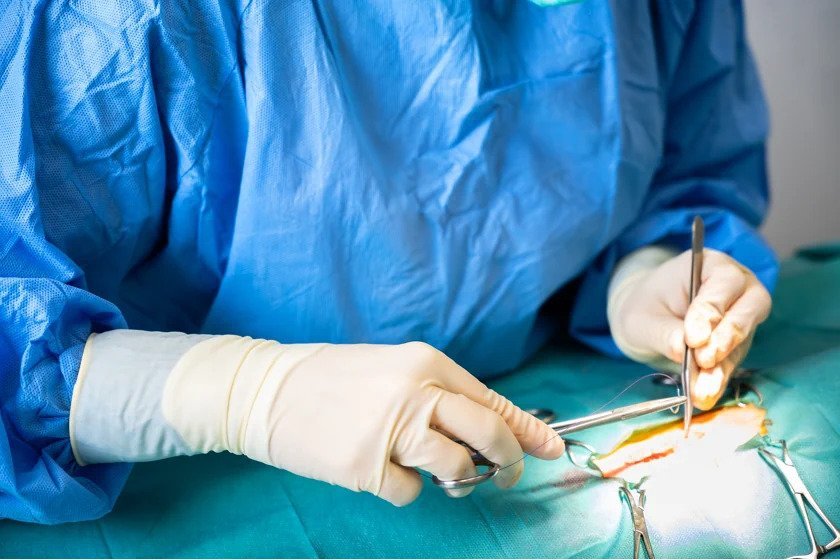
Peripheral Vascular Bypass Surgery is a surgical procedure used to improve blood flow to the arms or legs when the arteries have become significantly narrowed or blocked. This condition is commonly associated with peripheral artery disease (PAD), in which fatty deposits and plaque build up inside the arteries, reducing the supply of oxygen-rich blood to the tissues. During bypass surgery, a new pathway is created around the blocked or severely narrowed section of an artery, allowing blood to flow more effectively to the affected area. The procedure may help relieve symptoms, support wound healing, preserve limb function, and reduce the risk of serious complications in appropriately selected patients.
The most common cause of peripheral arterial blockage is peripheral artery disease, which is usually related to atherosclerosis. Risk factors include smoking, diabetes, high blood pressure, high cholesterol, obesity, increasing age, and a family history of vascular disease. Previous blood vessel injury, blood clots, or certain vascular conditions can also contribute to reduced circulation. When arterial narrowing becomes severe, the tissues may not receive sufficient blood and oxygen, particularly during physical activity or in advanced cases even at rest.
Symptoms of peripheral arterial disease can vary depending on the severity and location of the blockage. A common early symptom is intermittent claudication, which causes pain, aching, heaviness, or cramping in the legs while walking that usually improves with rest. Patients may also experience coldness in the affected limb, numbness or weakness, changes in skin colour, reduced hair growth, or slow-growing toenails. In more advanced disease, pain may occur even at rest, particularly at night, and wounds or ulcers on the feet or legs may take longer to heal. Severe circulation problems can lead to tissue damage and require urgent medical attention.
A thorough vascular assessment is essential before considering peripheral vascular bypass surgery. The doctor will review the patient’s symptoms, medical history, and risk factors and examine the circulation of the affected limb. Tests such as the Ankle-Brachial Index (ABI), Doppler ultrasound, CT angiography, or MR angiography may be recommended to identify the location and severity of arterial narrowing or blockage. In selected cases, conventional angiography may be performed to provide detailed information about the blood vessels and assist in planning the most appropriate treatment.
Treatment depends on the severity of the disease, the location of the blockage, the patient’s overall health, and the condition of the surrounding blood vessels. Mild to moderate peripheral artery disease may be managed with lifestyle changes, supervised exercise, smoking cessation, and medicines to control cholesterol, blood pressure, diabetes, and the risk of blood clots. When symptoms are severe or blood flow is critically reduced, revascularisation may be considered. Depending on the individual case, this may include minimally invasive procedures such as angioplasty and stent placement or Peripheral Vascular Bypass Surgery. During bypass surgery, a suitable blood vessel graft, either a patient’s own vein or a synthetic graft, is used to create an alternative route around the blocked artery and restore blood flow to the affected limb.
Recovery after peripheral vascular bypass surgery requires careful follow-up and attention to vascular health. Patients are generally advised to take prescribed medicines regularly, keep the surgical wound clean, gradually increase physical activity as recommended, and attend scheduled follow-up appointments. Controlling diabetes, blood pressure, and cholesterol is important for protecting the newly established blood flow pathway. Avoiding smoking is particularly important because tobacco use can significantly damage blood vessels and increase the risk of further arterial blockage. A healthy diet, appropriate exercise, and long-term management of cardiovascular risk factors can also support better outcomes.
As with any major surgical procedure, peripheral vascular bypass surgery carries certain risks. These may include bleeding, infection, blood clots, complications related to anaesthesia, or problems with wound healing. The bypass graft may become narrowed or blocked over time, which can affect blood flow and may require further treatment. Patients with diabetes or severe vascular disease may have a higher risk of healing complications. Your vascular surgeon will evaluate your individual health condition and explain the potential benefits and risks before recommending surgery.
Persistent leg pain while walking, unexplained numbness or weakness, changes in skin colour or temperature, or wounds that do not heal should not be ignored. Patients with known peripheral artery disease should seek regular vascular evaluation to monitor circulation and prevent progression. Sudden severe pain, marked coldness or paleness of a limb, loss of sensation, or sudden weakness may indicate an acute reduction in blood flow and requires immediate medical attention. Early diagnosis and appropriate treatment can help preserve circulation, improve mobility, and protect the health of the affected limb.
Next Treatment: Diabetic Foot Revascularization

Get expert evaluation and personalized care for vascular and endovascular conditions.
Providing advanced vascular care with compassion, innovation and excellence.
Available 24/7
We'll Reply as soon as possible
10:00 AM - 7:00 PM
© 2026 Dr. N Srikantiya Indira. All Rights Reserved. | Copyright PrigmaSoft Technologies
WhatsApp us