Clinic Hours
Mon-Sat
10:00 AM - 7:00 PM
Book Appointment
Schedule Your
Consultation Today
Call Us Now
+91-9281144557
Available 24/7
Mon-Sat
10:00 AM - 7:00 PM
Schedule Your
Consultation Today
+91-9281144557
Available 24/7

MBBS, MS, DrNB (Vascular Surgery)
Vascular & Endovascular Surgeon
We're here for you
Available 24/7
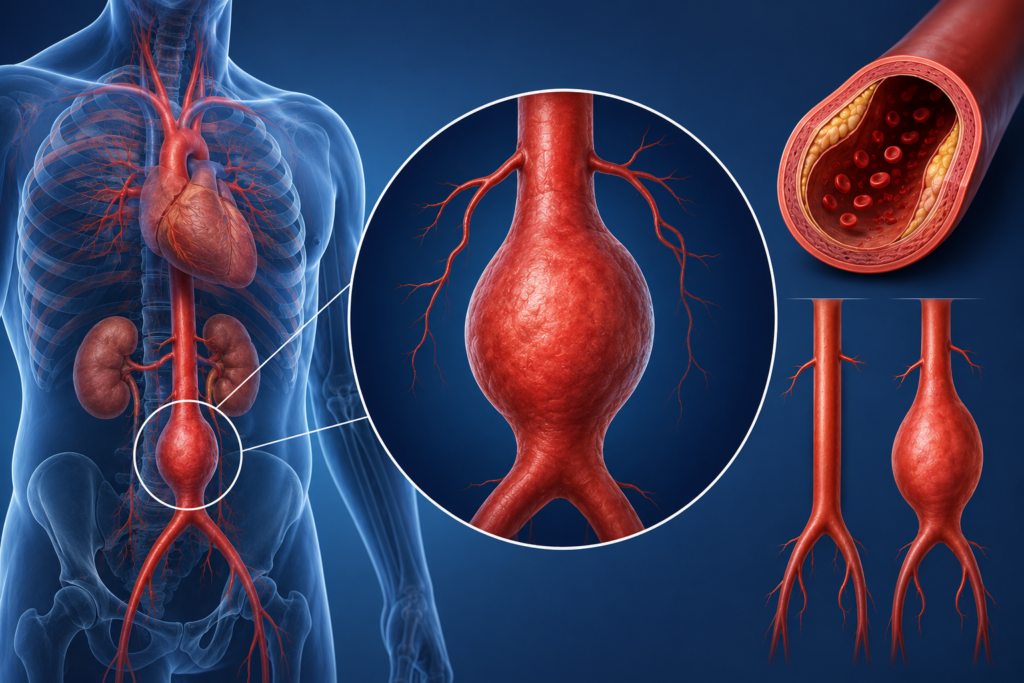
An aortic aneurysm is an abnormal enlargement or weakening of a section of the aorta, the largest artery in the body that carries oxygen-rich blood from the heart to the rest of the body. An aneurysm can develop in the chest, known as a thoracic aortic aneurysm, or in the abdomen, known as an abdominal aortic aneurysm. Many aortic aneurysms develop gradually without causing noticeable symptoms, which is why early evaluation and appropriate monitoring are important. As an aneurysm increases in size, the risk of serious complications, including rupture or dissection, may also increase.
Aortic aneurysms can develop when the wall of the aorta becomes weakened over time. Common contributing factors include high blood pressure, atherosclerosis, smoking, increasing age, and a family history of aortic aneurysm or related cardiovascular conditions. Certain inherited connective tissue disorders and abnormalities of the aortic valve can also increase the risk. In some cases, an aneurysm may develop following trauma, infection, or inflammation affecting the aortic wall.
Small aortic aneurysms may not cause any symptoms and are sometimes discovered incidentally during imaging performed for another medical condition. When symptoms occur, they can vary depending on the location and size of the aneurysm. Patients may experience persistent or deep pain in the chest, back, abdomen, or side of the body. Some individuals may also notice a pulsating sensation in the abdomen, difficulty swallowing, hoarseness, breathlessness, or discomfort caused by pressure on nearby structures. Sudden, severe chest, abdominal, or back pain can indicate a potentially life-threatening complication and requires immediate medical attention.
Diagnosis of an aortic aneurysm begins with a detailed medical history and physical examination, followed by appropriate imaging investigations. Depending on the suspected location and clinical situation, doctors may recommend an abdominal ultrasound, CT angiography, MRI, or echocardiography to assess the aorta. These investigations help determine the aneurysm’s location, size, shape, and rate of progression. Regular imaging may also be advised for patients with smaller aneurysms that are being monitored over time.
Treatment for an aortic aneurysm depends on its size, location, growth rate, symptoms, overall health, and risk of rupture. Small aneurysms that are not immediately threatening may be managed with regular medical follow-up, blood pressure control, cholesterol management, smoking cessation, and periodic imaging. When an aneurysm is large, rapidly enlarging, symptomatic, or considered at significant risk of rupture, surgical treatment may be recommended. Depending on the individual case, treatment may involve traditional open surgery or a minimally invasive endovascular procedure such as endovascular aneurysm repair (EVAR) or thoracic endovascular aortic repair (TEVAR). A vascular specialist can determine the most appropriate approach after a detailed evaluation.
After treatment, continued medical supervision is important to support recovery and reduce the risk of future aortic complications. Patients may be advised to maintain healthy blood pressure and cholesterol levels, take prescribed medications regularly, avoid smoking, follow an appropriate activity plan, and attend scheduled follow-up appointments. After endovascular repair, periodic imaging is particularly important to ensure that the repair remains effective and to identify any changes that may require further treatment. Lifestyle modifications and long-term cardiovascular care can also contribute to better overall vascular health.
An untreated or enlarging aortic aneurysm can lead to serious complications. The most concerning complication is rupture, which can cause severe internal bleeding and may be life-threatening. An aneurysm can also lead to aortic dissection, in which a tear develops within the layers of the aortic wall. Other complications may include blood clots, reduced blood flow to organs or limbs, and pressure on nearby structures. The risk of complications generally depends on factors such as aneurysm size, location, growth rate, and the patient’s overall health.
Anyone with risk factors for an aortic aneurysm, including a strong family history, high blood pressure, smoking history, or known cardiovascular disease, should discuss appropriate screening and evaluation with a doctor. Persistent chest, abdominal, or back discomfort should also be medically assessed, particularly in patients who have known vascular risk factors. Sudden and severe chest, abdominal, or back pain, especially when accompanied by weakness, dizziness, fainting, sweating, or difficulty breathing, may indicate an emergency and requires immediate medical attention.
If you have been diagnosed with an aortic aneurysm or are experiencing unexplained chest, abdominal, or back pain, timely evaluation by an experienced vascular specialist can help determine the appropriate course of care. Early diagnosis, careful monitoring, and individualized treatment can play an important role in protecting aortic health and reducing the risk of serious complications.
Next Ailments: Renal Artery Disease

Get expert evaluation and personalized care for vascular and endovascular conditions.
Providing advanced vascular care with compassion, innovation and excellence.
Available 24/7
We'll Reply as soon as possible
10:00 AM - 7:00 PM
© 2026 Dr. N Srikantiya Indira. All Rights Reserved. | Copyright PrigmaSoft Technologies
WhatsApp us