Clinic Hours
Mon-Sat
10:00 AM - 7:00 PM
Book Appointment
Schedule Your
Consultation Today
Call Us Now
+91-9281144557
Available 24/7
Mon-Sat
10:00 AM - 7:00 PM
Schedule Your
Consultation Today
+91-9281144557
Available 24/7

MBBS, MS, DrNB (Vascular Surgery)
Vascular & Endovascular Surgeon
We're here for you
Available 24/7
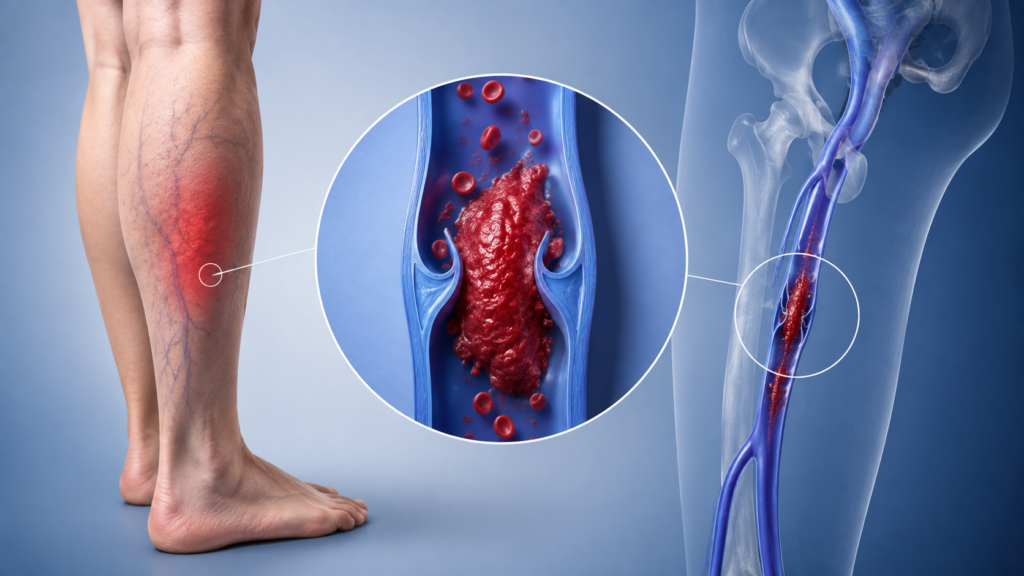
Deep Vein Thrombosis (DVT) is a medical condition in which a blood clot forms within a deep vein, most commonly in the legs. The clot can partially or completely obstruct normal blood flow, leading to swelling, discomfort, and other symptoms. DVT requires timely medical attention because, in some cases, a portion of the clot can travel through the bloodstream to the lungs and cause a potentially serious condition known as pulmonary embolism. Early diagnosis and appropriate Deep Vein Thrombosis Treatment in Hitec City, Hyderabad can significantly reduce the risk of complications and support a safe recovery.
Deep Vein Thrombosis may develop when blood flow becomes slower than normal, the vein is damaged, or the blood has an increased tendency to clot. Prolonged periods of sitting or immobility, such as during long-distance travel or after surgery, can increase the risk. Other contributing factors may include major injuries, hospitalization, certain medical conditions, obesity, pregnancy, smoking, increasing age, and a previous history of blood clots. Some medications and inherited or acquired blood-clotting disorders can also increase the likelihood of developing DVT.
The symptoms of DVT can vary depending on the location and size of the clot, and some people may have few or no noticeable symptoms. Common signs include swelling in one leg, pain or tenderness, a feeling of heaviness or tightness, warmth of the affected area, and changes in skin colour. The discomfort may become more noticeable while standing or walking. Sudden shortness of breath, chest pain, rapid heartbeat, coughing up blood, or unexplained dizziness may indicate that a clot has travelled to the lungs and requires immediate emergency medical attention.
A thorough clinical assessment is an important first step in diagnosing DVT. The doctor may review the patient’s symptoms, medical history, recent surgery or hospitalization, mobility, medications, and other risk factors. Depending on the findings, diagnostic investigations such as a venous Doppler ultrasound may be recommended to assess blood flow and identify a clot within the deep veins. Blood tests, including a D-dimer test, may also be used in appropriate patients, while additional imaging may be considered when the diagnosis is uncertain or when complications are suspected.
Treatment for DVT focuses on preventing the clot from becoming larger, reducing the risk of new clots, and preventing potentially serious complications. Anticoagulant medicines, commonly known as blood thinners, are frequently used to prevent further clot formation and allow the body’s natural processes to gradually break down the existing clot. The choice and duration of medication depend on the individual’s condition and risk factors. In selected patients with extensive or severe thrombosis, specialised procedures may be considered to remove or dissolve the clot, particularly when there is a significant risk to the limb or circulation.
Following DVT treatment, regular medical follow-up is important to monitor recovery and ensure that the treatment remains appropriate. Patients should take prescribed medications exactly as directed and should not stop anticoagulant medication without medical advice. Maintaining appropriate physical activity, avoiding prolonged periods of immobility, staying adequately hydrated, and following recommendations regarding compression therapy can support healthy circulation in suitable patients. Regular follow-up appointments may also help assess symptoms, medication response, and the risk of recurrence.
If DVT is not diagnosed and treated appropriately, it can lead to serious complications. The most concerning complication is pulmonary embolism, which occurs when part of a blood clot travels to the lungs and blocks blood flow. DVT can also cause long-term problems known as post-thrombotic syndrome, which may result in persistent leg swelling, pain, heaviness, skin changes, or discomfort. Prompt medical evaluation and appropriate treatment are therefore essential to reduce the risk of both immediate and long-term complications.
Medical evaluation should be sought promptly if you develop unexplained swelling, pain, tenderness, warmth, or a change in colour in one leg, particularly when these symptoms occur suddenly. People who have recently undergone surgery, experienced prolonged immobility, sustained a significant injury, or have other risk factors for blood clots should be particularly attentive to new symptoms. If symptoms such as sudden breathlessness, chest pain, coughing up blood, fainting, or severe dizziness occur, seek emergency medical care immediately, as these may be warning signs of pulmonary embolism.
Early recognition and appropriate management of Deep Vein Thrombosis can help protect circulation, reduce complications, and support better long-term outcomes. If you are experiencing symptoms suggestive of DVT or have concerns about your risk of developing a blood clot, consultation with a qualified vascular specialist for Deep Vein Thrombosis Treatment in Hitec City, Hyderabad can help determine the appropriate evaluation and treatment.
Next Ailments: Venous leg ulcers

Get expert evaluation and personalized care for vascular and endovascular conditions.
Providing advanced vascular care with compassion, innovation and excellence.
Available 24/7
We'll Reply as soon as possible
10:00 AM - 7:00 PM
© 2026 Dr. N Srikantiya Indira. All Rights Reserved. | Copyright PrigmaSoft Technologies
WhatsApp us