Clinic Hours
Mon-Sat
10:00 AM - 7:00 PM
Book Appointment
Schedule Your
Consultation Today
Call Us Now
+91-9281144557
Available 24/7
Mon-Sat
10:00 AM - 7:00 PM
Schedule Your
Consultation Today
+91-9281144557
Available 24/7

MBBS, MS, DrNB (Vascular Surgery)
Vascular & Endovascular Surgeon
We're here for you
Available 24/7
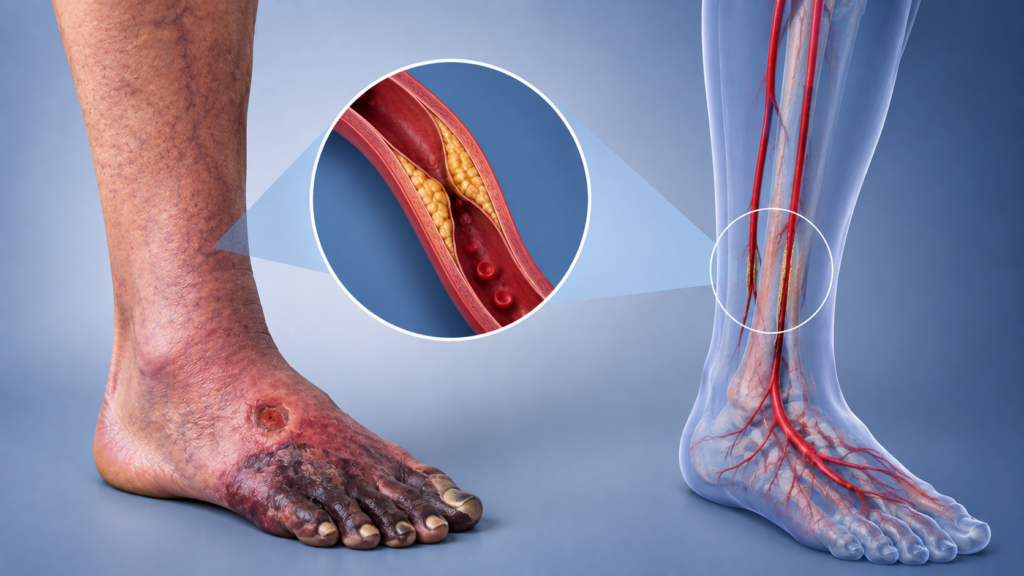
Critical Limb Ischemia (CLI), also known as Chronic Limb-Threatening Ischemia (CLTI), is an advanced form of peripheral arterial disease in which there is a severe reduction in blood flow to the arms or legs, most commonly affecting the lower limbs. The condition occurs when narrowed or blocked arteries are unable to deliver enough oxygen-rich blood to the tissues. Without timely treatment, critical limb ischemia can lead to persistent pain, non-healing wounds, tissue damage, infection, and in severe cases, limb loss. Early diagnosis and appropriate vascular care are essential to protect the affected limb and improve overall health outcomes.
Critical limb ischemia is most commonly caused by advanced peripheral artery disease, which develops when fatty deposits and cholesterol build up inside the arteries and restrict blood flow. Atherosclerosis is the leading underlying cause, while conditions such as diabetes, high blood pressure, high cholesterol and smoking can significantly increase the risk. Other contributing factors may include kidney disease, blood-clotting disorders and previous damage to the blood vessels. When these conditions progressively reduce circulation, the tissues of the limb may become deprived of the oxygen and nutrients required for normal healing and function.
The symptoms of critical limb ischemia can be persistent and may become more noticeable over time. Patients may experience severe pain in the foot, leg or toes, particularly at rest or during the night. Pain may sometimes improve temporarily when the leg is placed in a dependent position. Other warning signs include cold or numb feet, changes in skin colour, shiny or thin-looking skin, reduced hair growth and weak or absent pulses in the affected limb. Open sores, ulcers or wounds that do not heal properly are particularly concerning and may indicate significantly reduced blood circulation.
A diagnosis of critical limb ischemia begins with a detailed medical history and physical examination, including assessment of pulses, skin condition, temperature and existing wounds. Vascular investigations may include an Ankle-Brachial Index (ABI), Doppler ultrasound and other non-invasive tests to evaluate blood flow. Depending on the patient’s condition, CT angiography, MR angiography or conventional catheter-based angiography may be recommended to identify the location and severity of arterial blockages. A comprehensive assessment helps determine the most appropriate treatment and whether blood flow can be restored through vascular intervention.
Treatment for critical limb ischemia focuses on restoring adequate blood circulation, controlling the underlying risk factors and preventing further tissue damage. Depending on the severity and location of the blockage, treatment may include prescribed medications, management of diabetes and blood pressure, cholesterol control and lifestyle modifications. When significant arterial narrowing or blockage is present, minimally invasive procedures such as angioplasty and stent placement may be considered to improve blood flow. In selected patients, surgical bypass procedures may be required to create an alternative route for blood to reach the affected tissues. Wound care and treatment of any associated infection are also important components of limb preservation.
Post-treatment care plays an important role in maintaining improved circulation and reducing the risk of recurrence. Patients should follow their prescribed medication and wound-care plan carefully and attend recommended follow-up appointments. Managing blood sugar, blood pressure and cholesterol, avoiding tobacco and maintaining an appropriate level of physical activity can support vascular health. Any wound, change in skin colour or new pain should be assessed promptly rather than left untreated. Regular vascular follow-up allows the doctor to monitor circulation and identify potential problems at an early stage.
If critical limb ischemia is not treated promptly, prolonged lack of blood supply can cause tissue death, non-healing ulcers and serious infections. In advanced cases, gangrene may develop and amputation may become necessary to prevent the infection or tissue damage from becoming life-threatening. Patients with critical limb ischemia also often have widespread vascular disease, which may increase their risk of cardiovascular complications such as heart attack or stroke. Timely evaluation and appropriate treatment can significantly improve the chances of preserving the limb and reducing these risks.
Persistent pain in the legs or feet, especially pain occurring at rest or during the night, should not be ignored. Medical evaluation is particularly important if there is a non-healing wound, ulcer, sudden change in skin colour, coldness, numbness or swelling of the affected limb. Sudden severe pain, loss of sensation, marked coldness or a rapid change in the colour of the limb may indicate an urgent circulation problem and requires immediate medical attention. Early consultation with a vascular and pain management specialist can help identify the cause of symptoms and guide timely treatment to protect the limb and improve quality of life.
Next Ailments: Diabetic Foot

Get expert evaluation and personalized care for vascular and endovascular conditions.
Providing advanced vascular care with compassion, innovation and excellence.
Available 24/7
We'll Reply as soon as possible
10:00 AM - 7:00 PM
© 2026 Dr. N Srikantiya Indira. All Rights Reserved. | Copyright PrigmaSoft Technologies
WhatsApp us