Clinic Hours
Mon-Sat
10:00 AM - 7:00 PM
Book Appointment
Schedule Your
Consultation Today
Call Us Now
+91-9281144557
Available 24/7
Mon-Sat
10:00 AM - 7:00 PM
Schedule Your
Consultation Today
+91-9281144557
Available 24/7

MBBS, MS, DrNB (Vascular Surgery)
Vascular & Endovascular Surgeon
We're here for you
Available 24/7
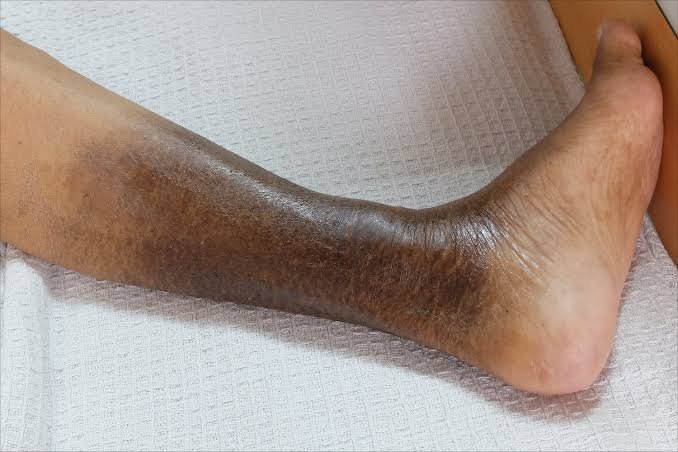
Venous leg ulcers are chronic wounds that most commonly develop on the lower leg when the veins are unable to return blood efficiently from the legs back toward the heart. This condition, often associated with chronic venous insufficiency, causes blood to pool in the lower limbs and increases pressure within the veins. Over time, this can damage the surrounding skin and tissues, leading to an ulcer that may take weeks or months to heal. Early evaluation and appropriate treatment of venous leg ulcers can help promote healing, reduce discomfort, and prevent recurrence.
Venous leg ulcers usually develop because of impaired blood flow through the veins. Damaged or weakened valves within the leg veins can allow blood to flow backward and accumulate in the lower limbs. Conditions such as varicose veins, previous deep vein thrombosis, obesity, prolonged standing or sitting, reduced mobility, and a history of leg injury can increase the risk. The likelihood of developing a venous leg ulcer may also increase with age and with conditions that affect circulation and wound healing.
A venous leg ulcer may appear as an open, shallow wound, most commonly around the ankle or lower part of the leg. The surrounding skin may become swollen, dry, itchy, discoloured, or thickened, with reddish-brown or darker pigmentation developing over time. Patients may experience aching, heaviness, or discomfort in the affected leg, particularly after prolonged standing. Fluid leakage from the wound can occur, and the ulcer may have an unpleasant odour if an infection is present. Symptoms can gradually worsen without appropriate treatment.
Diagnosis of a venous leg ulcer begins with a detailed medical history and physical examination of the affected leg. A specialist may assess the wound, skin changes, swelling, pulses, and overall circulation. Doppler ultrasound is commonly used to evaluate blood flow through the leg veins and identify problems such as venous reflux or obstruction. In some cases, additional vascular investigations may be recommended to distinguish venous ulcers from wounds caused by arterial disease or other medical conditions. A careful diagnosis helps determine the most appropriate treatment approach.
Treatment for venous leg ulcers focuses on healing the wound while addressing the underlying venous circulation problem. Compression therapy is an important part of treatment for many patients because it can help reduce swelling and improve venous blood flow. Wound care may include cleaning the ulcer, applying appropriate dressings, and managing excess moisture or infection when present. Depending on the underlying vein problem, procedures such as endovenous treatment, sclerotherapy, or other minimally invasive vascular interventions may be considered. Pain management and treatment of associated conditions can also support recovery. The treatment plan is tailored to the patient’s wound condition, circulation, overall health, and individual needs.
Consistent wound care and follow-up are essential after treatment for a venous leg ulcer. Patients should follow the recommended dressing and compression routine carefully and attend scheduled reviews so that healing can be monitored. Keeping the legs appropriately elevated when resting, maintaining regular gentle movement as advised, protecting the skin from injury, and following a healthy lifestyle can support circulation and recovery. Once the ulcer has healed, continued management of underlying venous disease is important because these wounds can recur if the contributing circulation problem is not adequately controlled.
Without timely treatment, a venous leg ulcer can become larger, deeper, or increasingly difficult to heal. Possible complications include wound infection, cellulitis, persistent swelling, worsening skin changes, and significant discomfort. In severe cases, infection may spread into deeper tissues and require urgent medical treatment. Recurrent ulcers can also have a considerable impact on mobility, daily activities, and quality of life. Early assessment and appropriate management can significantly reduce the risk of these complications.
A doctor should be consulted if a wound on the lower leg does not heal normally, particularly when it is associated with swelling, skin discolouration, varicose veins, or persistent leg discomfort. Prompt medical attention is especially important if the wound becomes increasingly painful, red, warm, swollen, produces pus or develops an unpleasant odour, or if the patient develops fever. Anyone with a persistent or recurrent leg ulcer should undergo a proper vascular assessment to identify the underlying cause and receive an appropriate treatment plan.
Next Ailments: Peripheral Arterial Disease (PAD)

Get expert evaluation and personalized care for vascular and endovascular conditions.
Providing advanced vascular care with compassion, innovation and excellence.
Available 24/7
We'll Reply as soon as possible
10:00 AM - 7:00 PM
© 2026 Dr. N Srikantiya Indira. All Rights Reserved. | Copyright PrigmaSoft Technologies
WhatsApp us