Clinic Hours
Mon-Sat
10:00 AM - 7:00 PM
Book Appointment
Schedule Your
Consultation Today
Call Us Now
+91-9281144557
Available 24/7
Mon-Sat
10:00 AM - 7:00 PM
Schedule Your
Consultation Today
+91-9281144557
Available 24/7

MBBS, MS, DrNB (Vascular Surgery)
Vascular & Endovascular Surgeon
We're here for you
Available 24/7
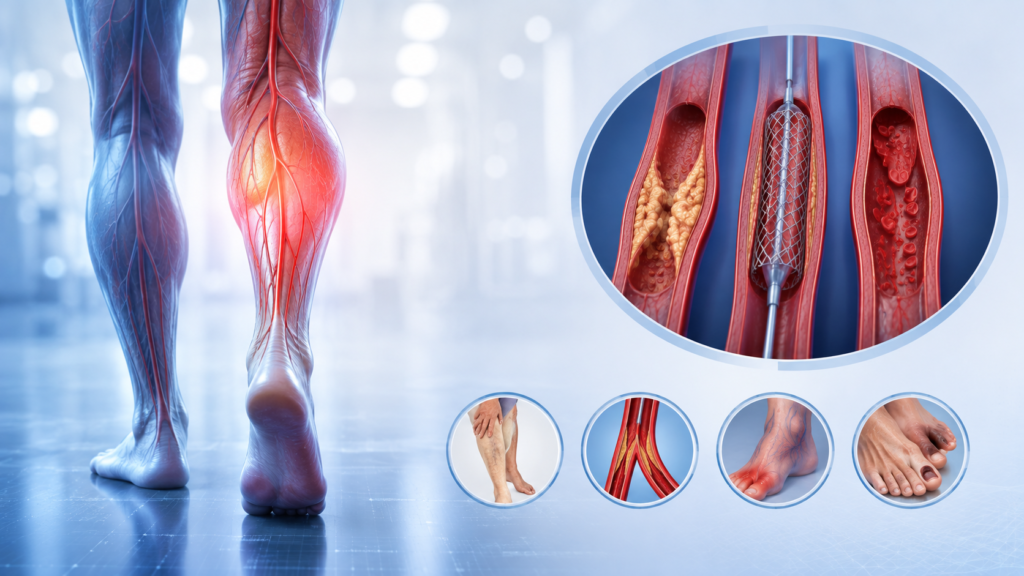
Peripheral Arterial Disease (PAD) is a common circulatory condition in which the arteries that carry blood to the legs and feet become narrowed or blocked, most often because of the buildup of fatty deposits known as plaque. This reduced blood flow can affect the muscles and tissues of the lower limbs, leading to pain, weakness, or changes in the skin and feet. Peripheral Artery Disease in Hitec City, Hyderabad is not only a condition affecting the legs; it can also be an important warning sign of underlying cardiovascular disease and should be evaluated carefully by a qualified vascular and pain management specialist.
The most common cause of Peripheral Arterial Disease is atherosclerosis, in which cholesterol, calcium, and other substances accumulate within the walls of the arteries. The risk of developing PAD increases with age and is higher in people who smoke or have conditions such as diabetes, high blood pressure, high cholesterol, or obesity. A sedentary lifestyle and a family history of cardiovascular disease can also contribute to increased risk. In some cases, PAD may result from blood clots, injury to a blood vessel, or other conditions affecting the arteries.
Many people with early PAD may have few or no noticeable symptoms. As the condition progresses, the most common symptom is pain, cramping, or heaviness in the calf, thigh, or buttock while walking or exercising that improves after resting. This is known as intermittent claudication. Patients may also experience numbness, weakness, coldness in the feet, changes in skin colour, slow-growing toenails, or sores on the feet or legs that take longer than usual to heal. More advanced disease may cause persistent pain, particularly at rest or during the night, which requires prompt medical evaluation.
A thorough diagnosis begins with a detailed medical history and physical examination, including assessment of the pulses and circulation in the legs and feet. The Ankle-Brachial Index (ABI), which compares blood pressure in the ankle with blood pressure in the arm, is commonly used to assess blood flow to the lower limbs. Depending on the patient’s symptoms and clinical findings, additional investigations such as Doppler ultrasound, CT angiography, or MR angiography may be recommended to identify the location and severity of arterial narrowing or blockage. Early and accurate diagnosis helps determine the most appropriate treatment approach.
Treatment for Peripheral Arterial Disease is tailored to the severity of the condition, the patient’s overall health, and the underlying cause. Lifestyle changes such as stopping smoking, maintaining a healthy weight, following a heart-healthy diet, and undertaking an appropriate supervised exercise programme can improve circulation and reduce cardiovascular risk. Medicines may be prescribed to manage cholesterol, blood pressure, diabetes, blood clotting, or other contributing factors. For patients with significant arterial narrowing or persistent symptoms, vascular procedures such as angioplasty or stent placement may be considered to restore blood flow. In more severe cases, surgical revascularisation may be required. Pain management may also form an important part of care when circulation-related pain affects mobility and quality of life.
After treatment for PAD, ongoing care is essential to maintain healthy circulation and reduce the risk of recurrence or progression. Patients should follow their prescribed medication and lifestyle plan, remain physically active according to medical advice, and attend recommended follow-up appointments. Careful foot care is particularly important, especially for people with diabetes or reduced circulation. Any cut, blister, colour change, swelling, or wound that does not heal normally should be assessed promptly. Continuing to control blood sugar, blood pressure, cholesterol, and other cardiovascular risk factors can support long-term vascular health.
When Peripheral Arterial Disease is left untreated or becomes severe, it can significantly restrict blood flow to the legs and feet. Possible complications include persistent pain, difficulty walking, non-healing wounds, skin and tissue damage, infection, and, in advanced cases, critical limb-threatening ischaemia. PAD is also associated with an increased risk of cardiovascular events such as heart attack and stroke because the underlying atherosclerosis can affect arteries elsewhere in the body. Timely diagnosis and appropriate treatment can help reduce these risks and protect both limb and cardiovascular health.
You should consult a doctor if you experience recurring leg pain or cramping while walking, unexplained numbness or weakness in the legs, persistent coldness of the feet, changes in skin colour, or wounds that are slow to heal. People with diabetes, a history of smoking, high cholesterol, high blood pressure, or other cardiovascular risk factors should be particularly attentive to changes in their circulation. For concerns related to Peripheral Artery Disease in Hitec City, Hyderabad, sudden severe leg pain, marked coldness or paleness of the limb, loss of sensation, or inability to move the affected limb can indicate an urgent reduction in blood flow and require immediate medical attention.
Next Ailments: Critical Limb Ischemia

Get expert evaluation and personalized care for vascular and endovascular conditions.
Providing advanced vascular care with compassion, innovation and excellence.
Available 24/7
We'll Reply as soon as possible
10:00 AM - 7:00 PM
© 2026 Dr. N Srikantiya Indira. All Rights Reserved. | Copyright PrigmaSoft Technologies
WhatsApp us