Clinic Hours
Mon-Sat
10:00 AM - 7:00 PM
Book Appointment
Schedule Your
Consultation Today
Call Us Now
+91-9281144557
Available 24/7
Mon-Sat
10:00 AM - 7:00 PM
Schedule Your
Consultation Today
+91-9281144557
Available 24/7

MBBS, MS, DrNB (Vascular Surgery)
Vascular & Endovascular Surgeon
We're here for you
Available 24/7
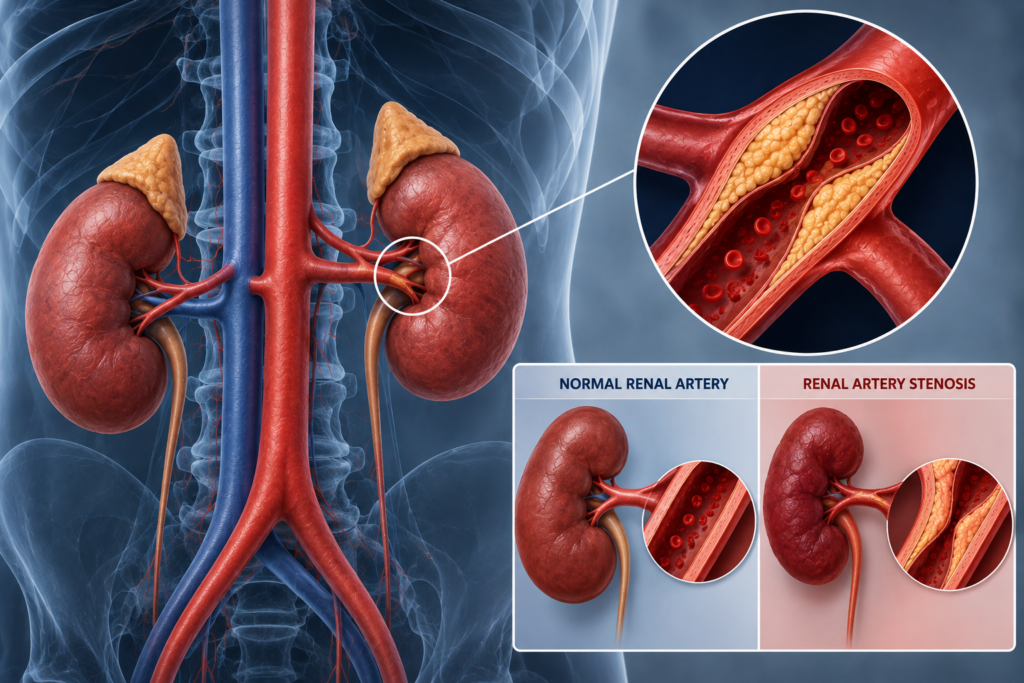
Renal artery disease is a condition in which the arteries supplying blood to the kidneys become narrowed or blocked. This most commonly occurs due to the buildup of fatty deposits and cholesterol in the artery walls, a condition known as renal artery stenosis. Reduced blood flow to the kidneys can affect their ability to regulate blood pressure and filter waste effectively. In some patients, renal artery disease develops gradually and may remain unnoticed until it begins to affect kidney function or causes difficult-to-control hypertension. Early evaluation and appropriate management can help protect kidney health and reduce the risk of serious complications.
The most common cause of renal artery disease is atherosclerosis, in which plaque gradually builds up inside the blood vessels. It is more frequently associated with conditions such as high blood pressure, diabetes, high cholesterol, smoking, obesity, and increasing age. Another possible cause is fibromuscular dysplasia, a condition that affects the structure of the artery and may occur even in people without typical cardiovascular risk factors. Less commonly, renal artery narrowing may result from inflammation of blood vessels, injury, blood clots, or other vascular disorders.
Renal artery disease may not cause noticeable symptoms during its early stages. When symptoms do occur, persistent or difficult-to-control high blood pressure is one of the most important signs. Some patients may experience worsening kidney function, swelling caused by fluid retention, or changes in urination. Severe narrowing of the renal arteries may occasionally contribute to sudden episodes of fluid buildup in the lungs, leading to breathlessness. Symptoms can vary depending on the severity of the disease and the extent to which kidney function and blood pressure are affected.
Diagnosis of renal artery disease begins with a detailed medical history, physical examination, and assessment of blood pressure and kidney function. Blood and urine tests may be recommended to evaluate how well the kidneys are functioning. Imaging studies such as Doppler ultrasound, CT angiography, or MR angiography can help assess blood flow and identify narrowing within the renal arteries. In selected cases, renal angiography may be performed to obtain a more detailed view of the blood vessels and determine the severity and location of the blockage.
Treatment for renal artery disease depends on the severity of artery narrowing, kidney function, blood pressure control, and the patient’s overall cardiovascular health. Mild or stable disease may be managed with lifestyle modifications and medicines to control blood pressure, cholesterol, diabetes, and other underlying risk factors. When significant narrowing causes uncontrolled hypertension, progressive kidney dysfunction, or other complications, an endovascular procedure such as angioplasty, with or without stent placement, may be considered in carefully selected patients. The appropriate treatment plan is determined after a thorough vascular and medical evaluation.
After treatment, regular follow-up is important to monitor blood pressure, kidney function, and the condition of the renal arteries. Patients are generally advised to take prescribed medicines consistently and maintain a heart-healthy lifestyle that includes a balanced diet, appropriate physical activity, weight management, and avoidance of smoking. Follow-up imaging or blood tests may be recommended depending on the treatment received and the patient’s individual risk factors. Ongoing management of conditions such as diabetes, high cholesterol, and hypertension can help reduce the likelihood of further vascular disease.
If renal artery disease remains untreated or progresses significantly, reduced blood flow to the kidneys can contribute to difficult-to-control hypertension and deterioration of kidney function. In advanced cases, it may increase the risk of chronic kidney disease and cardiovascular complications. Severe vascular disease can also affect blood flow to other organs and increase overall cardiovascular risk. Early diagnosis, appropriate treatment, and regular medical monitoring can significantly help in reducing these risks.
Patients should seek medical evaluation if they have persistently high or difficult-to-control blood pressure, unexplained deterioration in kidney function, or other symptoms suggestive of reduced kidney blood flow. Prompt assessment is particularly important when blood pressure suddenly becomes difficult to manage or kidney function declines unexpectedly. If you experience severe breathlessness, chest discomfort, sudden weakness, or other emergency symptoms, immediate medical attention is required. A vascular specialist can assess the underlying cause, determine the severity of renal artery disease, and recommend an appropriate treatment approach tailored to your condition.
Next Ailments: Vascular Malformations

Get expert evaluation and personalized care for vascular and endovascular conditions.
Providing advanced vascular care with compassion, innovation and excellence.
Available 24/7
We'll Reply as soon as possible
10:00 AM - 7:00 PM
© 2026 Dr. N Srikantiya Indira. All Rights Reserved. | Copyright PrigmaSoft Technologies
WhatsApp us