Clinic Hours
Mon-Sat
10:00 AM - 7:00 PM
Book Appointment
Schedule Your
Consultation Today
Call Us Now
+91-9281144557
Available 24/7
Mon-Sat
10:00 AM - 7:00 PM
Schedule Your
Consultation Today
+91-9281144557
Available 24/7

MBBS, MS, DrNB (Vascular Surgery)
Vascular & Endovascular Surgeon
We're here for you
Available 24/7
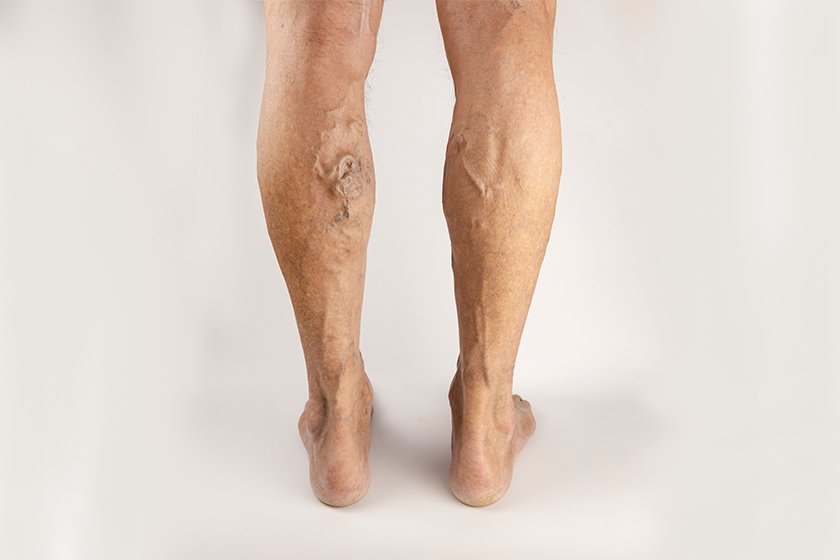
Vascular malformations are uncommon abnormalities of the blood vessels that develop because of an irregular formation of veins, arteries, lymphatic vessels, or a combination of these structures. Unlike some vascular conditions that develop later in life, vascular malformations are usually present from birth, although they may not become noticeable until childhood, adolescence, or adulthood. They can occur in different parts of the body and vary considerably in size, appearance, and severity. Some remain stable for years, while others may gradually enlarge or become symptomatic. Proper evaluation by a vascular specialist is important to determine the type of malformation and the most appropriate treatment approach.
Vascular malformations generally occur because of abnormal development of blood or lymphatic vessels during fetal development. In many cases, the exact cause cannot be identified, and they are not caused by lifestyle choices or anything a parent did during pregnancy. Certain vascular malformations may be associated with specific genetic changes or syndromes. Hormonal changes, injury, infection, puberty, pregnancy, or other factors can sometimes cause a previously unnoticed malformation to become more prominent or symptomatic.
The symptoms of a vascular malformation depend on its type, location, size, and the vessels involved. Patients may notice a bluish or reddish skin discoloration, a soft swelling, visible veins, or a lump that becomes more prominent with activity or changes in body position. Some vascular malformations can cause pain, heaviness, swelling, tenderness, or discomfort in the affected area. Larger or deeper malformations may interfere with movement or affect nearby tissues and organs. In certain cases, bleeding, skin changes, recurrent swelling, or clot formation may also occur.
Accurate diagnosis is essential because different types of vascular malformations require different treatment strategies. The evaluation usually begins with a detailed medical history and physical examination, followed by appropriate imaging studies. Doppler ultrasound is commonly used to assess blood flow and identify the vessels involved. Depending on the location and complexity of the condition, magnetic resonance imaging (MRI), magnetic resonance angiography (MRA), computed tomography (CT), or other vascular imaging techniques may be recommended. A specialist assessment helps determine the extent and characteristics of the malformation before treatment is planned.
Treatment for vascular malformations is individualized according to the type, size, location, symptoms, and involvement of surrounding structures. Small, stable, and minimally symptomatic malformations may sometimes be monitored with regular follow-up. When treatment is necessary, options may include minimally invasive procedures such as sclerotherapy or endovascular treatment, which aim to reduce abnormal blood flow or close the affected vessels. In selected cases, surgical removal or a combination of procedures may be considered. The treatment plan is carefully tailored to achieve symptom relief, improve function, and reduce the risk of future complications while preserving healthy surrounding tissues.
Recovery and follow-up depend on the type of vascular malformation and the treatment performed. Patients may be advised to keep the treated area protected, follow prescribed medication instructions, and attend scheduled follow-up appointments. Compression therapy may be recommended in certain venous malformations to help control swelling and improve circulation. Patients should also monitor the treated area for increasing pain, swelling, skin changes, bleeding, or other unusual symptoms. Regular follow-up allows the doctor to assess the response to treatment and determine whether additional treatment or monitoring is required.
Although many vascular malformations can be effectively managed, untreated or complex lesions may sometimes lead to complications. These can include persistent pain, swelling, bleeding, skin changes, infection, blood clot formation, or progressive enlargement of the malformation. Depending on its location, a vascular malformation may also affect nearby muscles, nerves, bones, or organs. Treatment itself can carry certain risks, which vary according to the procedure and the patient’s individual condition. A detailed evaluation helps minimize these risks and supports safer, more effective management.
You should seek medical evaluation if you notice an unexplained swelling, unusual skin discoloration, a growing vascular lesion, persistent pain, recurrent swelling, or visible abnormal veins that are becoming more prominent. Prompt assessment is particularly important if there is sudden enlargement, significant bleeding, severe pain, skin breakdown, or changes in the affected area. Early diagnosis and appropriate management of vascular malformations can help control symptoms, prevent complications, and support better long-term outcomes.
Next Ailments: Dialysis Access Problems

Get expert evaluation and personalized care for vascular and endovascular conditions.
Providing advanced vascular care with compassion, innovation and excellence.
Available 24/7
We'll Reply as soon as possible
10:00 AM - 7:00 PM
© 2026 Dr. N Srikantiya Indira. All Rights Reserved. | Copyright PrigmaSoft Technologies
WhatsApp us