
Clinic Hours
Mon-Sat
10:00 AM - 7:00 PM
Book Appointment
Schedule Your
Consultation Today
Call Us Now
+91-9281144557
Available 24/7
Mon-Sat
10:00 AM - 7:00 PM
Schedule Your
Consultation Today
+91-9281144557
Available 24/7

MBBS, MS, DrNB (Vascular Surgery)
Vascular & Endovascular Surgeon
We're here for you
Available 24/7
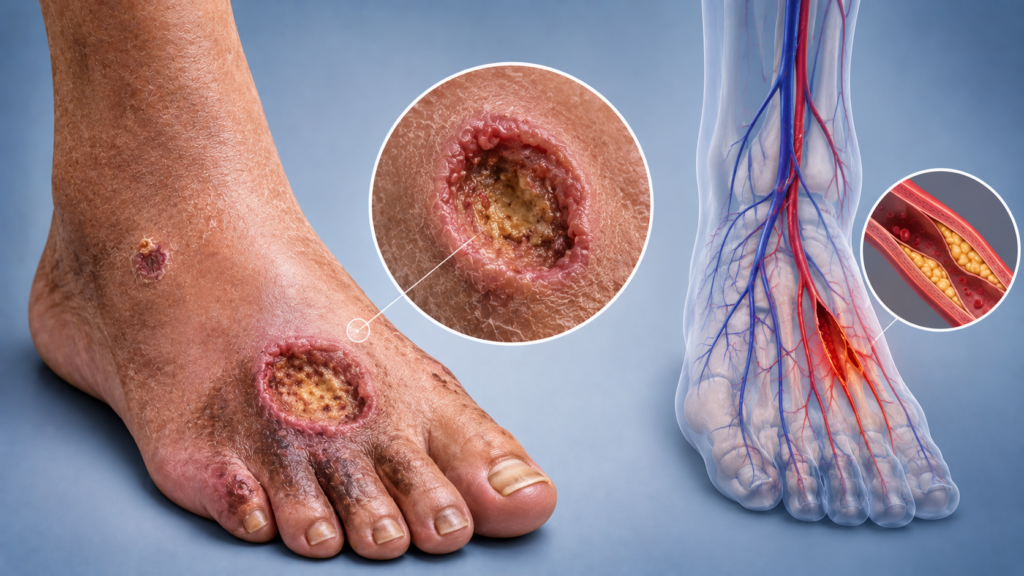
Diabetic foot is a serious complication of diabetes that can affect the skin, nerves, blood vessels, and deeper tissues of the foot. Persistently high blood sugar levels can gradually damage nerves and reduce blood circulation, making the feet more vulnerable to injuries, infections, ulcers, and delayed healing. Because a minor wound may progress without causing significant pain, early recognition and appropriate medical care are important in preventing more severe complications. Effective diabetic foot management focuses on controlling the underlying causes, protecting the foot, treating pain and infection, and preserving healthy mobility with guidance from a Diabetic Foot Specialist in Hitec City, Hyderabad.
Diabetic foot problems commonly develop due to a combination of nerve damage, poor blood circulation, and elevated blood glucose levels. Diabetic neuropathy can reduce sensation in the feet, so a patient may not notice a cut, blister, pressure point, or minor injury. Reduced circulation can limit the supply of oxygen and nutrients required for tissue repair, resulting in slow wound healing. Repeated pressure from poorly fitting footwear, foot deformities, dry or cracked skin, and untreated minor injuries can further increase the risk of ulcers and infection.
Symptoms of diabetic foot can vary depending on the underlying problem and its severity. Patients may experience numbness, tingling, burning sensations, unusual sensitivity, or persistent foot pain. Other warning signs include redness, swelling, warmth, changes in skin colour, dryness or cracking, blisters, corns, calluses, wounds that do not heal, or discharge from an ulcer. In some cases, nerve damage can make a serious foot injury relatively painless, which is why regular foot examination is particularly important for people living with diabetes.
Diagnosis of diabetic foot begins with a detailed medical history and careful examination of the feet. A doctor may assess skin condition, sensation, reflexes, foot structure, areas of pressure, circulation, and the presence of wounds or infection. Depending on the findings, additional investigations may be recommended to evaluate blood flow, nerve function, bone involvement, or infection. Early diagnosis helps determine the severity of the condition and allows treatment to begin before a small problem develops into a more complex foot complication.
Treatment for diabetic foot is individualized according to the cause, severity, and overall health of the patient. Management may include careful wound care, pressure relief, appropriate footwear, infection control, and medicines when required. Pain associated with diabetic neuropathy may require specific pain-management approaches rather than relying only on conventional painkillers. If circulation to the foot is significantly reduced, vascular assessment and treatment may be necessary to improve blood flow and support healing. In more advanced cases, coordinated care involving pain management, wound care, vascular specialists, diabetes management, and other appropriate specialists can help protect the affected foot and reduce the risk of serious complications.
After treatment, consistent foot care is essential for preventing recurrence and supporting healing. Patients should keep their feet clean and dry, inspect them regularly for cuts, blisters, colour changes, swelling, or new wounds, and use properly fitting footwear that reduces pressure on vulnerable areas. Good blood sugar control is also an important part of long-term diabetic foot care. Patients should follow their prescribed treatment plan and attend recommended follow-up appointments so that any changes can be identified and managed at an early stage.
If diabetic foot problems are not recognized and treated promptly, they may lead to persistent ulcers, recurrent infections, tissue damage, bone infection, or severe circulation-related complications. In advanced cases, infection or tissue death may become difficult to control and can result in hospitalization or, in severe circumstances, amputation. These risks can often be reduced through regular foot examinations, good diabetes management, early treatment of wounds, appropriate footwear, and prompt medical attention when warning signs appear.
People with diabetes should seek medical evaluation from a Diabetic Foot Specialist in Hitec City, Hyderabad for any foot wound, ulcer, unexplained swelling, redness, warmth, persistent pain, change in skin colour, or signs of infection. Immediate medical attention is particularly important if there is pus or discharge, rapidly increasing swelling or redness, fever, black or discoloured tissue, or a wound that is not healing. Regular diabetic foot assessments are also recommended for individuals who have reduced sensation, previous foot ulcers, circulation problems, or other risk factors. Early professional care can help control pain, protect tissue, promote healing, and reduce the likelihood of serious complications.
For expert evaluation and personalized pain-management guidance for diabetic foot conditions, consult Dr. N. Srikantiya Indira, a Diabetic Foot Specialist in Hitec City, Hyderabad for an appropriate assessment and treatment plan.
Next Ailments: Carotid Artery Disease

Get expert evaluation and personalized care for vascular and endovascular conditions.

Providing advanced vascular care with compassion, innovation and excellence.
Available 24/7
We'll Reply as soon as possible
10:00 AM - 7:00 PM
© 2026 Dr. N Srikantiya Indira. All Rights Reserved. | Copyright PrigmaSoft Technologies
WhatsApp us